

This article is for informational purposes only. Medications are individualized. Dose changes or stopping a medication should only be decided with your physician.
In arterial disease, medication is not only used to relieve symptoms. It helps reduce the risk of heart attack, stroke, clot formation, disease progression and repeat procedures. The right combination depends on the patient’s diagnosis and risk profile.
Which Medication Groups Are Used?
1. Antiplatelet Medication
Antiplatelet drugs reduce the tendency of platelets to form clots on atherosclerotic plaques or inside stents. They are commonly used in coronary artery disease, carotid disease and peripheral artery disease when indicated.
2. Statins
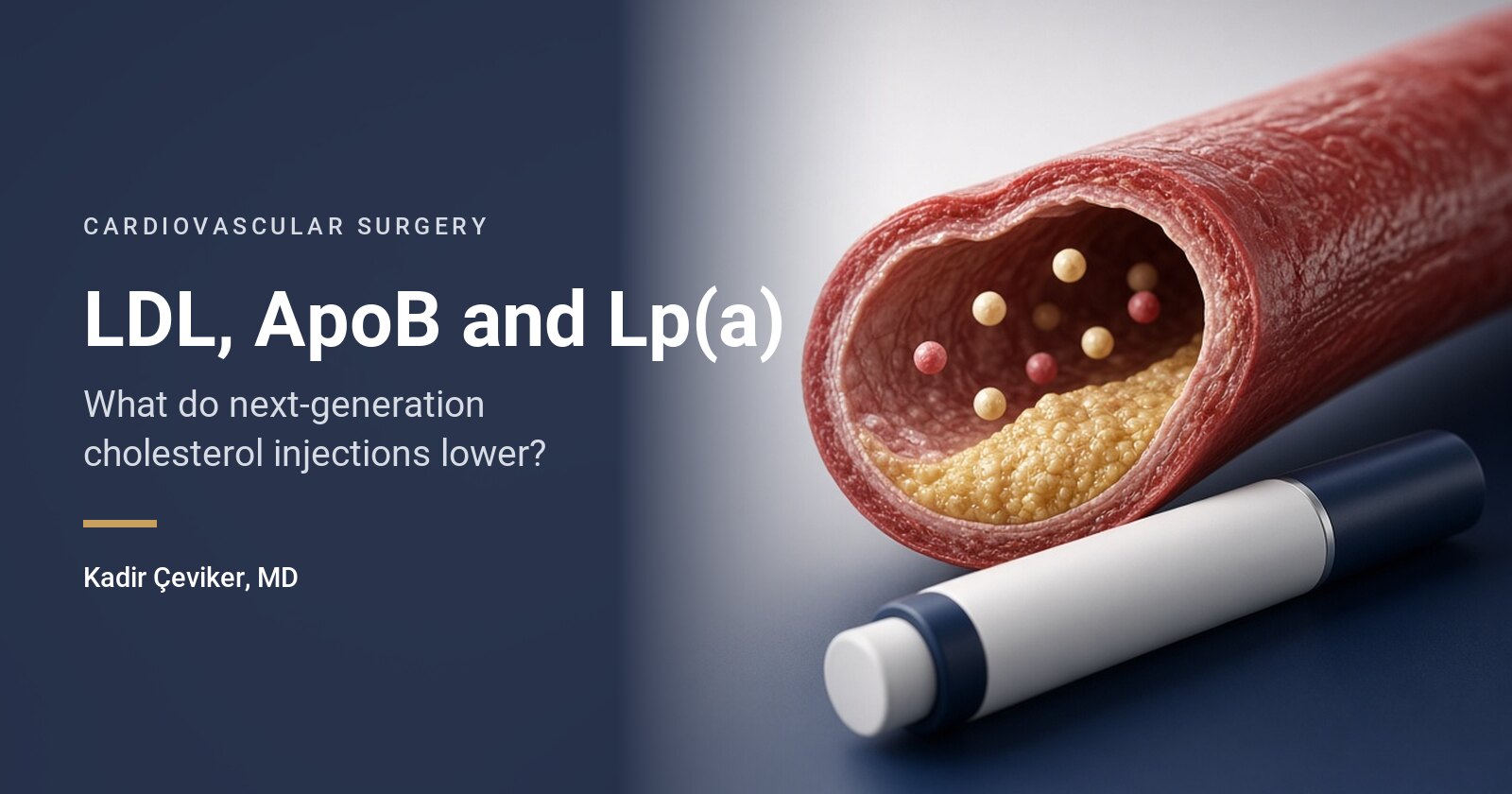
Statins lower LDL cholesterol and help stabilize plaques. Their benefit is not limited to the cholesterol number; they also reduce vascular event risk in many patients with atherosclerotic disease.
3. Blood Pressure Medication
High blood pressure damages vessel walls and increases cardiovascular risk. Proper blood pressure control is essential in patients with arterial disease, aneurysm risk or previous vascular procedures.
4. Diabetes Treatment
Diabetes accelerates vascular disease and worsens wound healing. Good glucose control, foot care and regular follow-up are especially important in patients with leg artery blockage or diabetic foot wounds.
5. Additional Antithrombotic Approaches in Selected Patients
Some patients may need anticoagulants or combined antithrombotic strategies. This decision depends on clot risk, bleeding risk, rhythm disorders, stents, bypass grafts and other medical conditions.
How Long Does Treatment Continue?
Many vascular medications are long-term. The duration of dual antiplatelet therapy after stenting, for example, depends on the procedure and patient risk. Long-term statin and risk factor control often continue indefinitely.
Common Mistakes
- Stopping medication when symptoms improve
- Changing doses without asking the physician
- Skipping cholesterol treatment because the patient “feels well”
- Using painkillers or supplements without discussing bleeding risk
- Missing follow-up appointments
Medication and Lifestyle Must Work Together
Medication works best with smoking cessation, walking, healthy nutrition, blood pressure control and diabetes care. A vascular treatment plan should be reviewed regularly and adjusted as the patient’s condition changes.
For related topics, see Leg Artery Blockage and Carotid Artery Stenosis.