

I hear this sentence constantly in clinic: “I lost seven kilos, my trousers are loose at the waist, my calves haven’t moved.” They’re right — and why the lipedema leg resists slimming is something I unpacked in the weight-loss injections, diet and exercise article.
This piece takes the next step. If the leg is stubborn, what change on the plate actually does something?
Let me say it plainly: there is no patented “lipedema diet.” But the lipedema nutrition studies of the last five years point in a fairly consistent direction, and the most interesting finding is this — two diets with identical calories do not produce identical results in the leg.
A note before we start: this is general scientific writing, not a personal prescription. If you take medication, are pregnant, or have kidney disease, talk to your own physician first.
If the calories match, where does the difference come from?
A randomized trial in Norway asked exactly that. Women with lipedema went onto 1200 calories a day in two groups, with protein held equal. The only difference was the carbohydrate-to-fat ratio: 75 g of carbohydrate with generous fat, versus 180 g of carbohydrate with little fat.
After eight weeks both groups lost weight. But on MRI, the subcutaneous fat in the calf shrank only in the low-carbohydrate group — roughly 816 mm², with calf circumference down 2.1 cm (Frontiers in Nutrition, 2024). In the low-fat group it didn’t budge.
The pain data runs the same way: in the low-carbohydrate arm, “pain right now” fell by 33%, while the control group stayed put (Obesity, 2024).
So this isn’t only about eating less. The composition of the plate appears to be having its own separate conversation with the leg.
Pain can drop without weight loss
This was the most surprising piece of data for me. In the LIPODIET pilot, nine women followed a low-carbohydrate, high-fat diet for seven weeks with no weight-loss target at all. Their pain score fell from 4.6 to 2.3.
Then came the critical part. Participants returned to a normal-carbohydrate diet. The weight did not come back — the pain did, climbing to 4.2 (Obesity Science & Practice, 2022).
Weight steady, pain moving. That suggests part of this pain tracks inflammation rather than the scale, and the randomized trial found no link between pain reduction and weight loss either.
The lipedema nutrition list: what’s actually on the plate?
The protocols used across these studies resemble each other to a surprising degree. Picture Mediterranean cooking, then take the bread basket off the table.
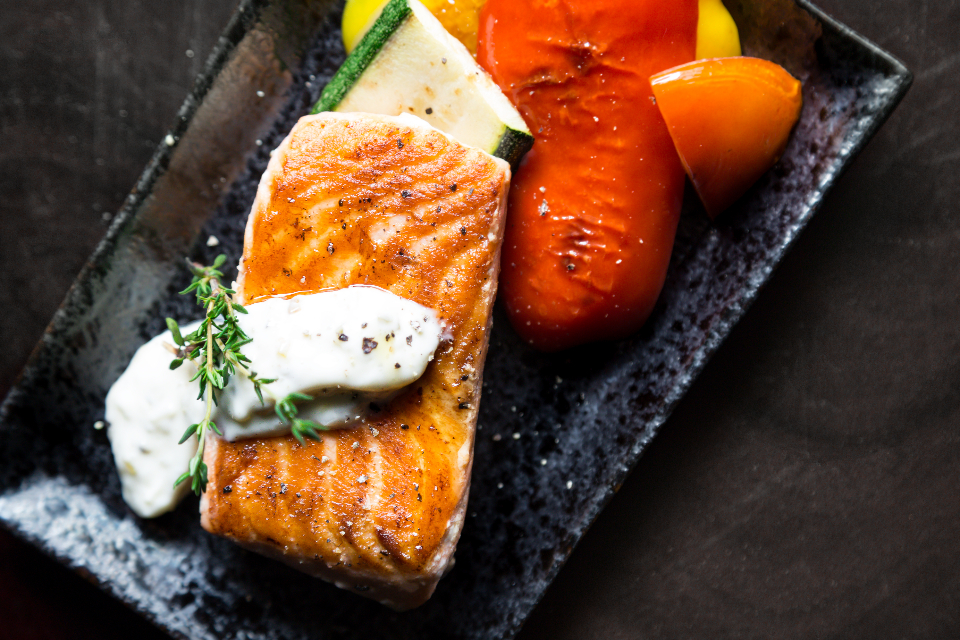
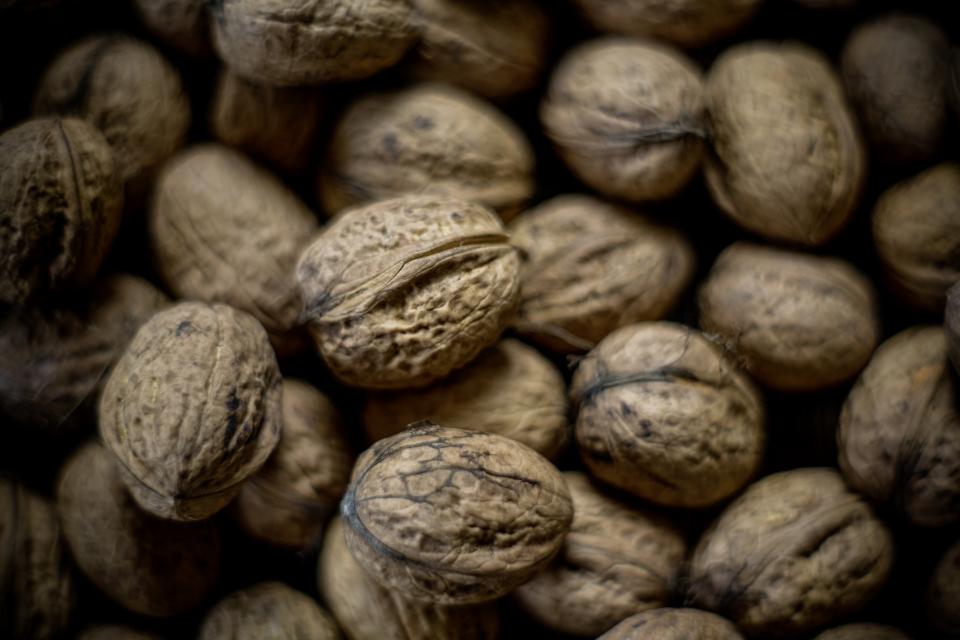
Fat — the main fuel, and happily the tasty part. Olive oil, avocado, olives, almonds, hazelnuts, walnuts, flaxseed. Oily fish two or three days a week: salmon, mackerel, sardines, anchovies. The Polish study menus deliberately left out pork and fatty poultry skin.
Protein — at every meal. Eggs, poultry, fish, full-fat white cheese, curd cheese, mozzarella, goat cheese. Roughly 80–90 g a day.
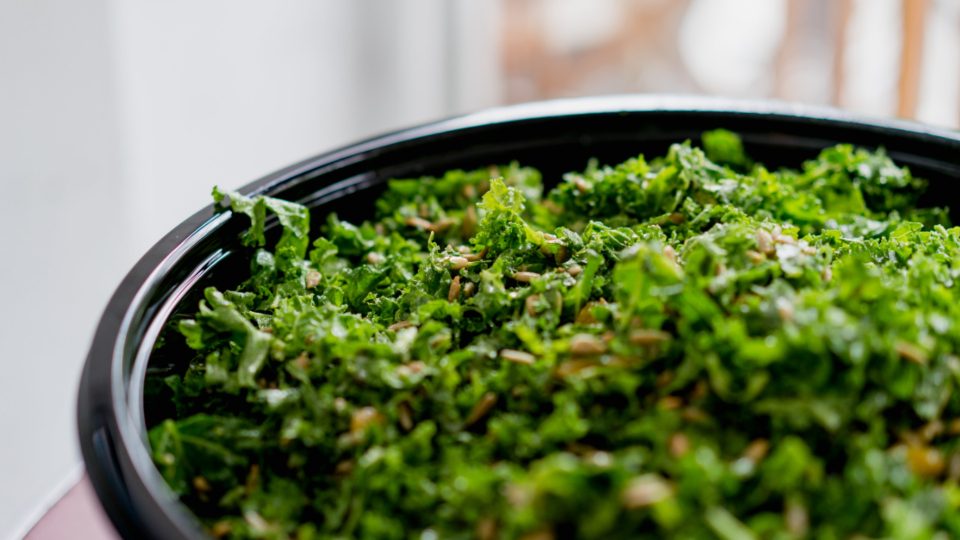
Vegetables — anything non-starchy. Spinach, rocket, broccoli, cauliflower, courgette, cabbage, aubergine, peppers, cucumber, tomato, radish. Let half the plate live here.
Fruit — small and selective. The protocols allow 25–30 g of berries a day. Blackberries, raspberries, blueberries. A handful, not a bowl.
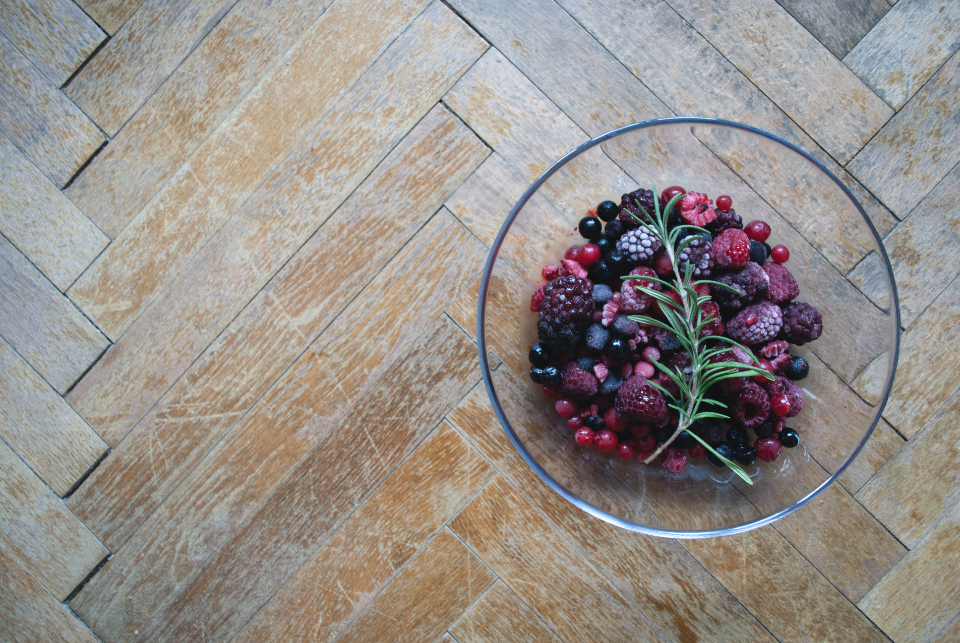
Spices and drinks. Turmeric, cloves, garlic, thyme, rosemary, and a cup of green or black tea daily. Not decoration — these entered the study lists with anti-inflammatory intent.
The side that gets cut. Sugar, white bread, pasta, rice, potatoes, ready-made sauces, packaged snacks. Total carbohydrate drops below 30–50 g a day.

There’s also an invisible dial: the omega-6 to omega-3 balance. In the modified Mediterranean diet study this ratio was pulled from 8.04 down to 2.6 (Nutrients, 2021). In practice that means less sunflower oil, more olive oil and fish.
What do the numbers say?
In the seven-month Wrocław study, 28 women with lipedema lost an average of 10.8 kg. Leg volume fell by roughly 1.4–1.5 litres on each side, and the pain score dropped from 4.6 to 3.0 (Journal of Obesity, 2023).
The same group’s 2025 paper looked at blood markers for the first time: hs-CRP and IL-6 both fell significantly (Nutrients, 2025). The opposite of what “a fatty diet raises inflammation” would predict.
A meta-analysis pooling seven studies reported an average loss of 7.94 kg, 8 cm off the waist, 6.7 cm off the hips, and a 1.12-point drop in pain (Nutrients, 2024).
The honest part: this diet has a price
Encouraging so far. Now the side nobody posts about.
Muscle leaves too. In the seven-month study, fat-free mass dropped by 2.5 kg. You don’t want to celebrate a slimmer leg while losing the muscle that carries it. Resistance training and adequate protein aren’t negotiable here.
The micronutrient gap is real. Those same menus came out short on fibre, magnesium, potassium, iron, folate, vitamin D, iodine and thiamine. Running this for months without dietitian follow-up doesn’t sit right with me.
Not everyone finishes. In that study 113 women started and 52 completed it. Read that as “sustainability is a serious problem,” not “diet doesn’t work.”
The evidence is still mid-tier. A 2025 systematic review notes that nine publications actually rest on six separate patient groups, most carrying a moderate-to-high risk of bias. It adds an important warning: strict diets shouldn’t begin without screening for eating disorders and body-image distress (Maturitas, 2025).
Does it have to be ketogenic?
No. In the Italian study, carbohydrate stayed at 40–45% — no ketosis at all. Calories were cut by 20%, omega-3 and antioxidants went up. After four weeks, DXA-measured leg fat was down 8.8% and arm fat 6.7%.
I find that reassuring. For someone who can’t tolerate strict keto, has gallstones or kidney problems, or simply wants to keep enjoying life, there’s a middle road.
The first four weeks: where to start
This is the order I usually suggest. Nobody who tries to change everything on day one makes it to week two.
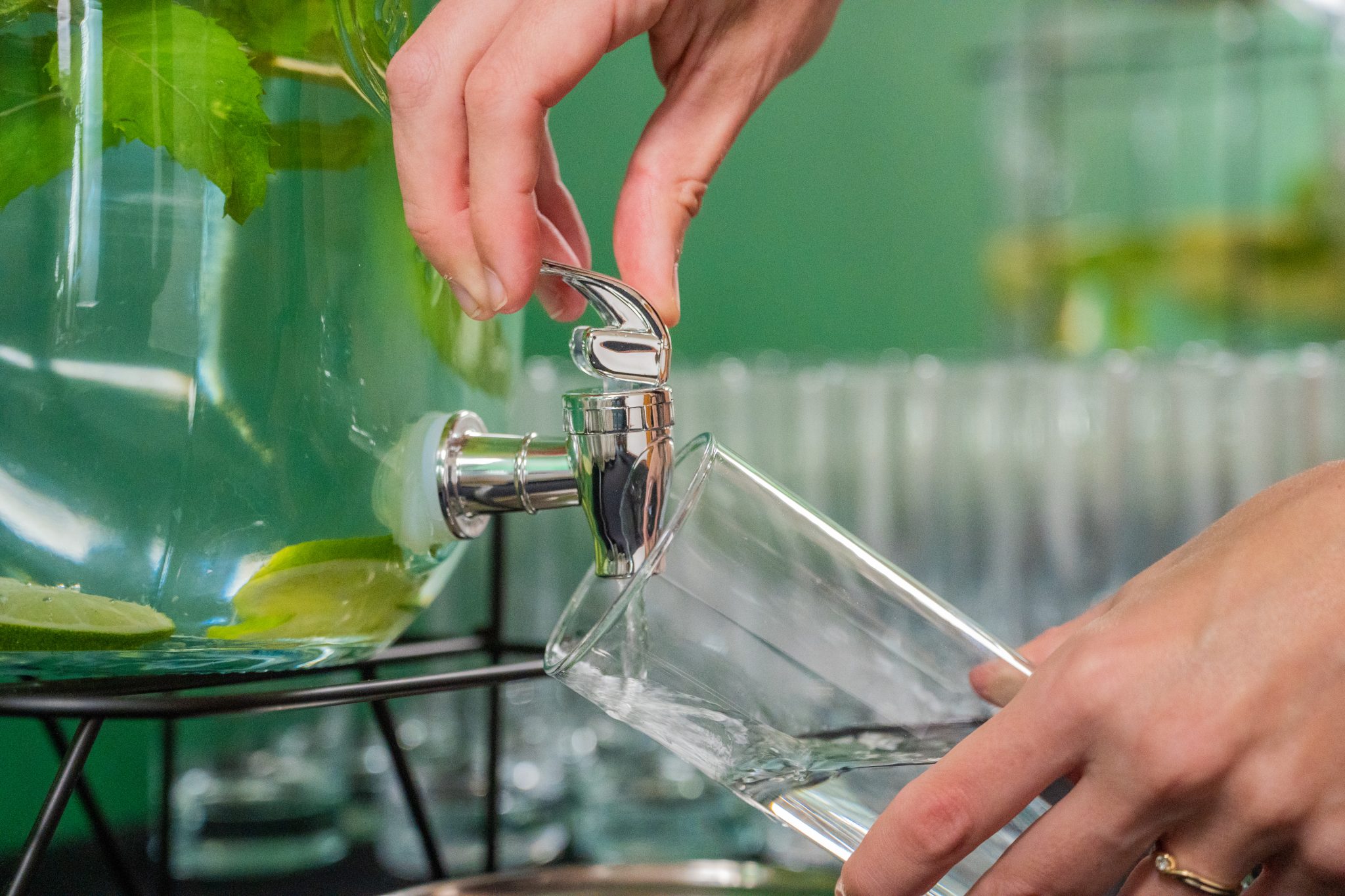
- Week 1 — drinks. Sugary drinks, juice and fizzy drinks go; two litres of calorie-free fluid comes in. This step alone shifts how bloated you feel.
- Week 2 — white carbohydrates. Bread, pasta, rice and potatoes come off the plate. Vegetable and protein volume goes up instead.
- Week 3 — fat quality. Olive oil instead of sunflower oil. Oily fish two or three days a week. A handful of walnuts or almonds.
- Week 4 — measure. The scale isn’t the only readout. Take a tape measure to your calf and ankle, and score your pain from 0 to 10. That’s where the change shows up.
Lipedema nutrition is only one leg of the care plan; compression, lymphatic drainage and regular movement sit at the same table. And if the diagnosis itself is uncertain, start there rather than with the menu — lipedema symptoms and lipedema vs lymphedema are what I’d read first, because the right diet for the wrong diagnosis gets you nowhere.

Your own picture, medication list and lab results are a separate conversation — you can request an appointment through the contact page. My approach is on the about me page.
Frequently asked questions
Can diet cure lipedema?
No. Lipedema is a chronic adipose tissue disorder and no amount of lipedema nutrition work removes it. It can, however, measurably influence weight, leg volume and pain.
Is ketosis mandatory?
It isn’t. Most studies used low carbohydrate, but a modified Mediterranean diet at 40–45% carbohydrate also reduced leg fat.
When does pain start to ease?
Pilot studies reported a difference within six to eight weeks. Pain also returned when the diet was loosened — so this is a pattern you maintain, not a cure you finish.
Is there benefit if I don’t lose weight?
There may be. In LIPODIET, pain fell even though weight loss wasn’t the goal, and the randomized trial found no link between pain reduction and weight loss.
Can I do this on my own?
I wouldn’t recommend it. In any lipedema nutrition programme, micronutrient gaps, muscle loss and rising LDL are real risks. This needs dietitian and physician follow-up.
Scientific sources
- Lundanes J et al. Effect of a low-carbohydrate diet on pain and quality of life, randomized controlled trial — Obesity, 2024
- Lundanes J et al. Effect of a low-carbohydrate diet on subcutaneous adipose tissue (MRI) — Frontiers in Nutrition, 2024
- Sørlie V et al. LIPODIET pilot study: ketogenic diet, pain and quality of life — Obesity Science & Practice, 2022
- Jeziorek M et al. Benefits of an LCHF diet on body composition, leg volume and pain — Journal of Obesity, 2023
- Jeziorek M et al. Anti-inflammatory potential of a Mediterranean-style ketogenic diet (hs-CRP, IL-6) — Nutrients, 2025
- Amato ACM et al. Ketogenic diets in lipedema: systematic review and meta-analysis — Nutrients, 2024
- de Oliveira J et al. Dietary interventions for lipedema: a systematic review — Maturitas, 2025
- Di Renzo L et al. Potential effects of a modified Mediterranean diet on body composition in lipoedema — Nutrients, 2021