

This content is for informational purposes only. Sudden weakness in the face, arm or leg, speech difficulty, sudden loss of vision in one eye or new balance problems require emergency medical help.
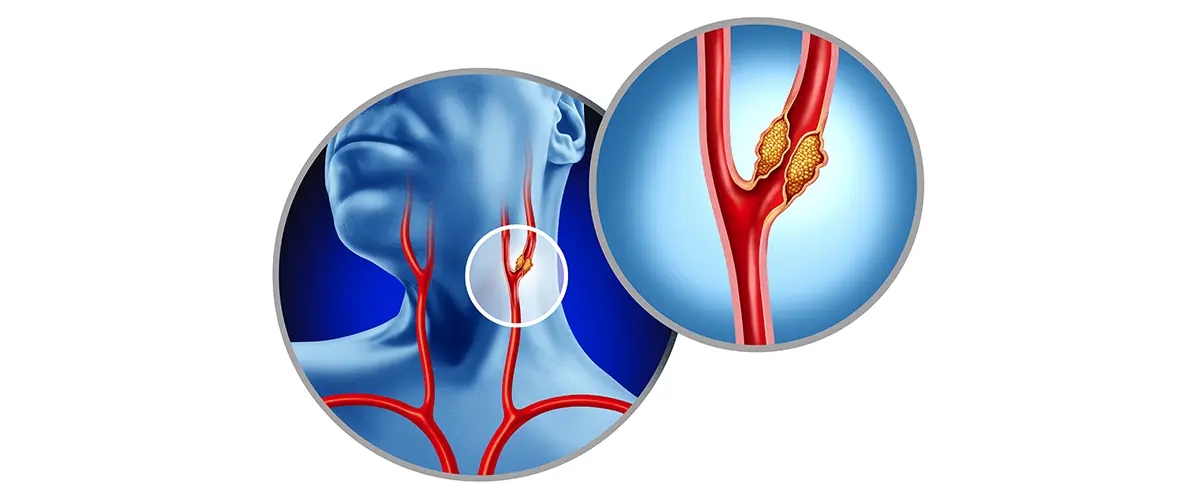
Carotid artery stenosis is narrowing of the arteries in the neck that carry blood to the brain. It is usually caused by atherosclerotic plaque. The main concern is stroke risk, especially when plaque is unstable or the narrowing is severe.
Why Does It Occur?
- High cholesterol
- Smoking
- High blood pressure
- Diabetes
- Advanced age
- Family history of vascular disease
- Coronary or peripheral artery disease
Are Symptoms Always Present?
No. Many patients have no symptoms and carotid stenosis is found during vascular screening or imaging for another reason. Some patients experience a transient ischemic attack, or TIA, which is a temporary warning sign of stroke risk.
How Is It Diagnosed?
Carotid Doppler ultrasound is often the first test. CT angiography, MR angiography or conventional angiography may be used when treatment planning requires more detail. The degree of narrowing, plaque structure and symptoms all matter.
Does Every Narrowing Require Surgery?
No. Mild or moderate narrowing may be followed with medication, risk factor control and periodic imaging. Severe stenosis, especially when symptomatic, may require intervention to reduce stroke risk.
Treatment Options
- Antiplatelet medication when indicated
- Cholesterol-lowering therapy
- Blood pressure and diabetes control
- Smoking cessation
- Carotid endarterectomy in selected patients
- Carotid stenting in selected patients
Daily Steps to Reduce Stroke Risk
Regular medication use, smoking cessation, blood pressure control, cholesterol management, diabetes care and physical activity are essential. Patients should also learn stroke warning signs and seek emergency help immediately if they appear.
Carotid disease is part of systemic vascular disease. See also Arterial Diseases.