


Veins are blood vessels that carry deoxygenated blood back from our body to the heart. These veins have one-way valves inside them. When muscles move, the valves open, and during relaxation, they close, preventing the blood from flowing backward against gravity. However, in diseases that affect the venous system, these valves can be damaged, leading to blood reflux and accumulation in the veins. As a result, various issues can occur, such as burning, aching pain, swelling, and darkening of the skin in the legs, as well as veins becoming enlarged and twisted or the formation of blood clots within the veins. Venous diseases range from simple cosmetic issues (such as spider veins) to life-threatening conditions (like deep vein thrombosis).
Lymphedema
Lymphedema, also commonly known as elephantiasis, is a type of swelling that develops due to lymphatic system disorders. In lymphedema, lymphatic vessels narrow or become blocked; consequently, protein-rich lymph fluid, which normally should be transported to lymph nodes, accumulates in the tissues, causing swelling in the affected area. Lymphedema can be congenital (primary) or acquired (secondary). Primary lymphedema develops due to genetic reasons or structural abnormalities of the lymphatic system, while secondary lymphedema typically occurs after factors such as surgical intervention, radiotherapy, infection, or trauma. For example, the removal of lymph nodes or radiation damage during cancer treatment are among the most common causes of lymphedema.
Lymphedema usually manifests as noticeable swelling in the affected limb (most often an arm or leg). This swelling may initially be edema that increases at the end of the day and partially subsides with rest; however, if left untreated, it becomes permanent and progressive. Key symptoms of lymphedema include:
- Swelling: Persistent and progressive swelling occurs in the affected arm or leg.
- Pain and restricted movement: Due to swelling, a feeling of heaviness, pain, numbness, and reduced mobility may be observed in the limb. Clothes or jewelry might start to feel tight in that area.
- Skin changes: In advanced stages, the skin may harden and thicken, becoming dry and rough; sometimes, discoloration or fibrosis beneath the skin also develops. This makes the skin more susceptible to infections (e.g., cellulitis).
Lymphedema is generally a slow-progressing, chronic disease. While swelling lessens with rest in the early stages, it becomes constant in advanced stages. Therefore, early diagnosis and treatment are crucial. For lymphedema diagnosis, your doctor will assess the degree of swelling, skin texture, and specific findings like Stemmer’s sign during a physical examination. If necessary, imaging methods such as lymphoscintigraphy, MRI, or ultrasound may be used to evaluate lymphatic system function. Once lymphedema is diagnosed, the underlying cause (e.g., infection, tumor) is also investigated, and the treatment plan is tailored accordingly.
Lymphedema treatment is typically carried out through a holistic program known as Complete Decongestive Therapy (CDT). This program includes a combination of methods such as manual lymphatic drainage (draining lymph fluid with special massage techniques), compression therapy (bandaging or special compression garments), appropriate exercises, and skin care. For example, by applying external pressure to the legs through layered elastic bandages or compression devices (devices that apply air pressure with pressotherapy), lymph flow is supported, and swelling is reduced. Patients should also regularly perform exercises taught by their doctor to activate the muscle pump and move the affected limb as much as possible. Keeping the skin moisturized and clean, and promptly treating any cuts or fungal infections, are also important. This can halt the progression of lymphedema, reduce swelling and pain, and improve the patient’s quality of life.
Lipedema
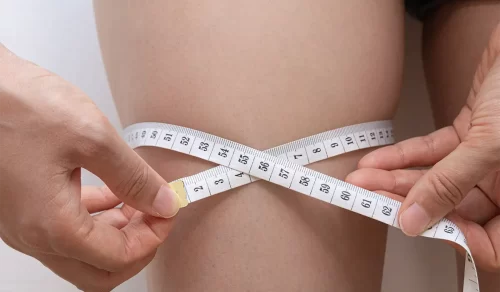
Lipedema is a chronic and progressive fat distribution disorder that primarily affects women. In this condition, there is an uneven accumulation of fat in the lower part of the body, especially around the hips, thighs, legs, and sometimes the arms. In patients with lipedema, the hands and feet are unaffected, meaning there is generally no swelling or edema in the wrists or ankles. This characteristic is one of the key differences that separates lipedema from lymphedema. Fat accumulation occurs symmetrically in both legs, and regardless of how much weight a person loses, their legs may remain disproportionately thick. Lipedema typically emerges or worsens during periods of hormonal changes such as puberty, pregnancy, or menopause. Although the exact cause of this condition is not fully understood, genetic predisposition and hormonal factors are believed to play a role.
Symptoms of lipedema usually progress slowly and may not be immediately noticeable. Patients often notice an asymmetric thickening of the thighs and legs without any corresponding thinning. Pain and tenderness to touch are common in the lipedema-affected areas, and hard nodules and pain may be felt beneath the skin when pressure is applied. Furthermore, due to the fragility of capillaries in this area, easy bruising is commonly observed. In later stages, fat accumulation and edema can increase to the point where the patient’s ability to walk is affected. Lipedema can also lead to psychosocial effects: the patient may experience a loss of self-confidence, embarrassment, anxiety, and depression due to the appearance of their legs. Until recently, lipedema was a difficult-to-diagnose condition often confused with obesity or lymphedema. However, as awareness has increased, more women are seeking medical help for this issue. According to studies, approximately 10-11% of women may have lipedema, indicating that this is a relatively common condition, showing that lipedema is actually a more frequent problem than we thought.
Unfortunately, lipedema is not a completely curable condition, but its symptoms can be managed and its progression can be slowed. In lipedema treatment, the primary goal is to improve the patient’s quality of life and reduce pain. Weight control and balanced nutrition are important for this purpose; maintaining a healthy diet helps prevent further fat accumulation. However, since it is usually not possible to reduce the fat tissue in lipedema-affected areas solely through diet or exercise, supportive treatments come into play. Compression stockings or bandages are especially recommended for the legs – these special garments help reduce swelling and pain. Similar to lymphedema, manual lymph drainage massages can help alleviate edema by increasing fluid circulation in the legs. Low-impact exercises such as swimming, walking, or cycling are suggested to reduce pain and tenderness. In advanced cases where conservative methods fail to control the condition, surgical options may be considered. Specifically, liposuction of lipedema fat can help reduce leg circumference and provide relief. These surgeries are performed with special techniques (such as water-assisted or tumescent liposuction) and are typically used for patients in advanced stages. After the procedure, the patient’s continued use of compression garments and exercise is crucial for long-term success.
Conclusion
Although lymphedema and lipedema have different mechanisms, both are important conditions that require early diagnosis and appropriate treatment. Raising awareness about these conditions, recognizing the symptoms early, and taking preventive measures before progression is crucial. Remember, early intervention can improve your quality of life. If you notice any abnormal swelling, pain, or changes in the shape of your legs or arms, don’t hesitate to consult a specialist. Our clinic offers experienced care for the diagnosis and treatment of lymphedema and lipedema. Take a step for your health; contact our clinic now for more information and to schedule an appointment.
Lipedema and Lymphedema – FAQs
What is lipedema?
Lipedema is a chronic condition characterized by symmetrical, often painful fat accumulation, most commonly in the legs and sometimes in the arms. It is frequently mistaken for obesity or lymphedema, and the affected areas may not reduce proportionally with weight loss.
What is the difference between lipedema and lymphedema?
In lipedema, abnormal fat accumulation is usually symmetrical and the feet are typically spared. In lymphedema, swelling is caused by lymph fluid accumulation, may be one-sided or asymmetrical, and often involves the feet and toes.
What causes lipedema?
The exact cause of lipedema is not fully known. Genetic and hormonal factors are thought to play a role, especially during hormonal transition periods such as puberty, pregnancy, and menopause.
What are the symptoms of lipedema?
- Symmetrical enlargement of the thighs, hips, lower legs, and sometimes the arms
- Pain, tenderness, or sensitivity to pressure
- Easy bruising
- Feet and hands usually remaining unaffected
- Fat tissue that is resistant to diet and exercise
How is lipedema diagnosed?
Diagnosis is usually based on medical history and physical examination. Doppler ultrasound, lymphoscintigraphy, or other imaging methods may help distinguish lipedema from lymphedema, venous disease, and other causes of leg swelling.
How is lipedema treated?
Treatment usually requires a multidisciplinary approach and may include:
- Medical compression garments
- Manual lymphatic drainage when appropriate
- Low-impact exercise and mobility support
- Anti-inflammatory nutrition and weight management support
- Specialized surgical options, such as lipedema liposuction, in selected patients
What is lymphedema and how is it treated?
Lymphedema is swelling caused by the accumulation of lymph fluid in the tissues. Treatment may include manual lymph drainage, multi-layer compression bandaging, compression garments, exercise, skin care, and device-assisted therapy when suitable.
What is a compression bandage?
A multi-layer compression bandage is a medical bandaging system that applies controlled pressure to the limb. It is commonly used in the treatment of lymphedema, venous ulcers, and selected swelling-related conditions.