

This article is for informational purposes only. Diagnosis and treatment require medical examination. Sudden coldness, paleness, severe pain or loss of strength in the leg requires urgent vascular assessment.
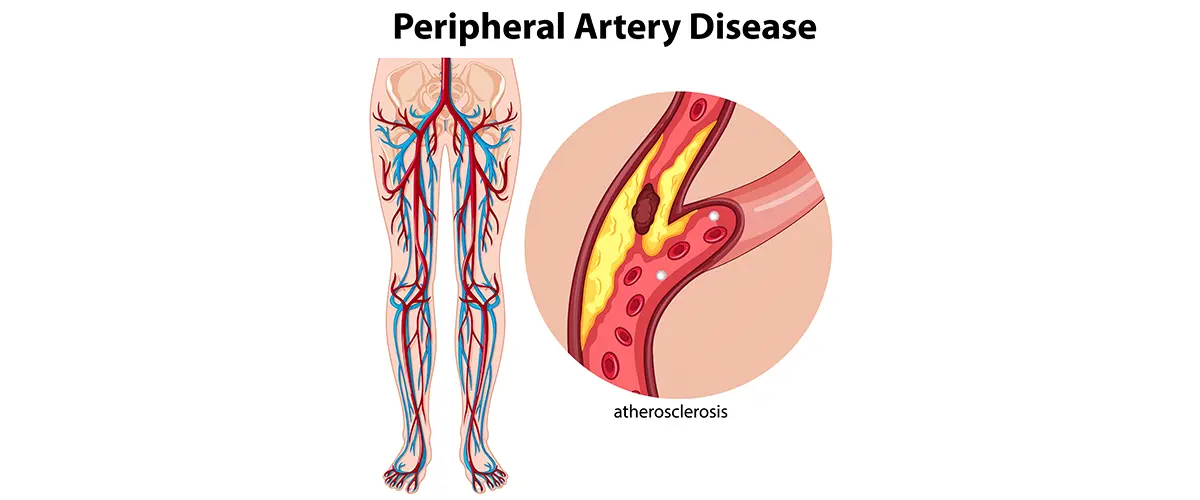
Leg artery blockage, also called peripheral artery disease, occurs when narrowed or blocked arteries reduce blood flow to the legs. Early symptoms may appear only during walking, but advanced disease can cause rest pain, wounds and risk of limb loss.
How Do the First Symptoms Begin?
The classic early symptom is calf, thigh or hip pain that appears while walking and improves with rest. This is called claudication. Some patients describe tightness, fatigue or cramping rather than sharp pain.
When Is the Condition Considered Severe?
- Pain even while resting
- Night pain relieved by hanging the foot down
- Non-healing wounds on the toes or foot
- Black discoloration or tissue loss
- Coldness, paleness or sudden worsening
How Is Diagnosis Confirmed?
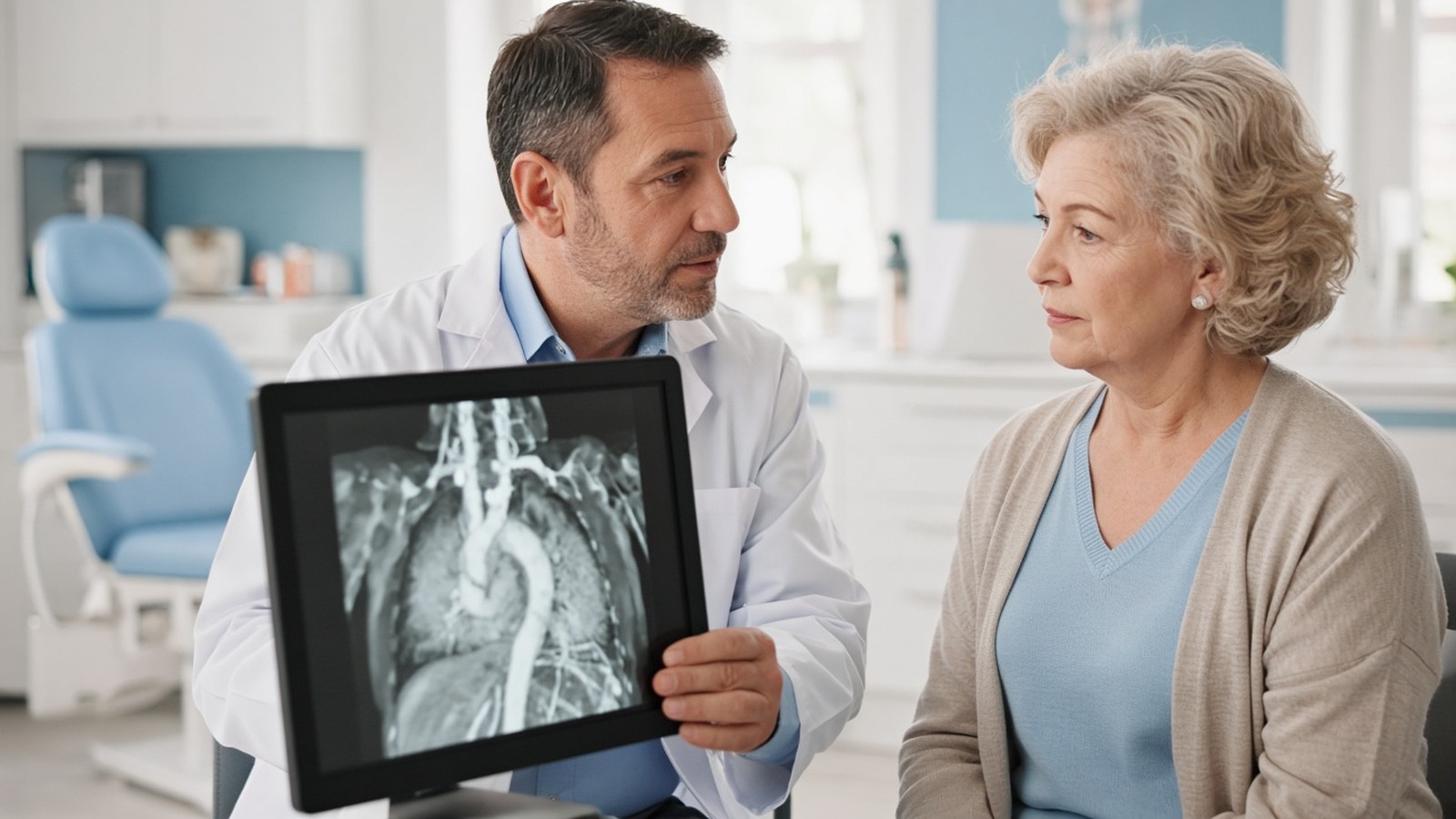
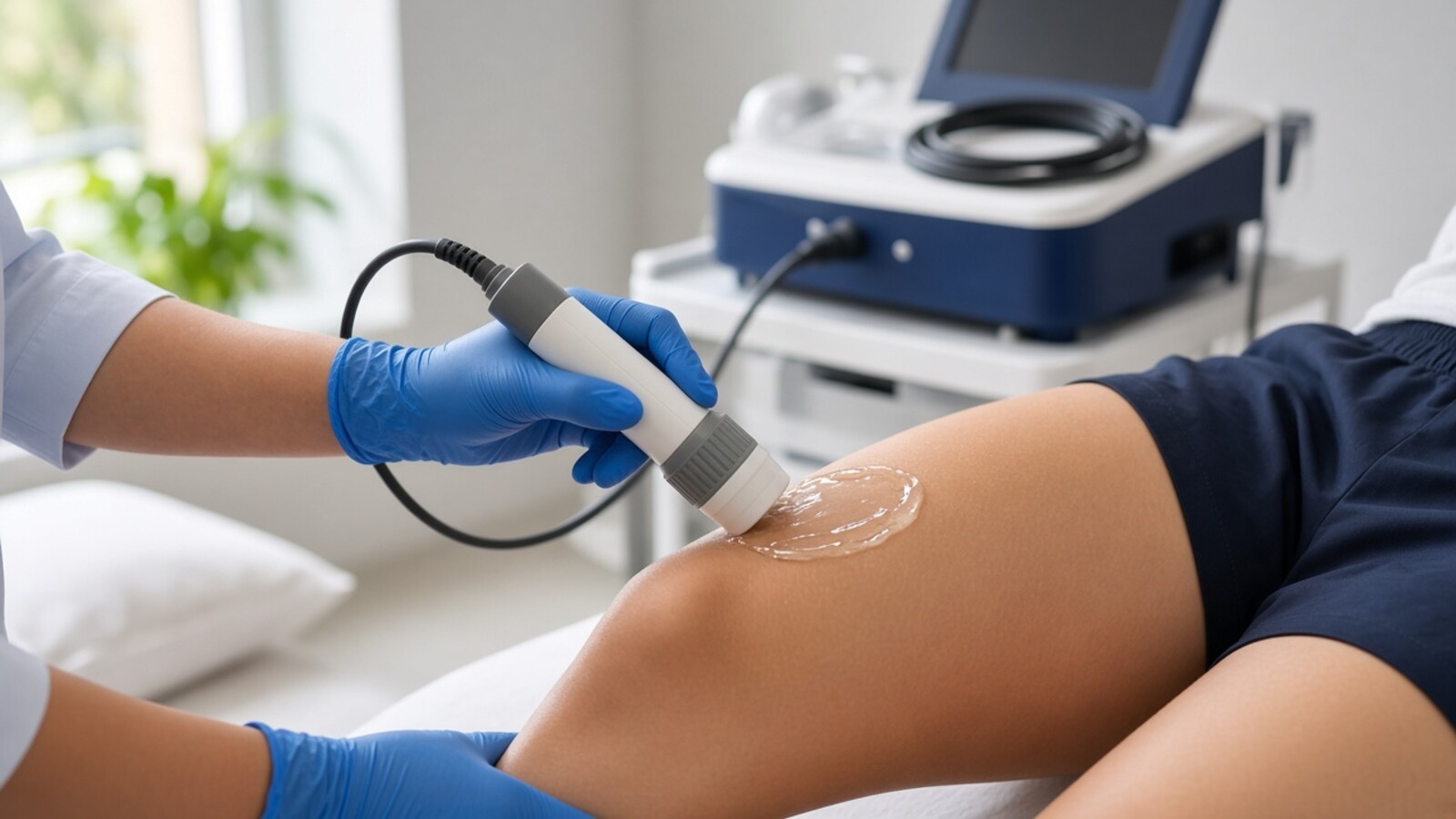
Evaluation may include pulse examination, ankle-brachial index measurement, Doppler ultrasound, CT angiography, MR angiography or conventional angiography. The test is selected according to symptom severity and treatment planning needs.
First Step in Treatment: Control Risk Factors
Smoking cessation, cholesterol control, blood pressure control, diabetes management, walking therapy and antiplatelet treatment are central. Medication and lifestyle changes are not secondary; they are the foundation of vascular protection.
When Are Angiography, Balloon or Stent Needed?
Endovascular treatment may be considered when walking limitation persists despite optimal care, when rest pain develops or when wounds threaten the limb. Balloon angioplasty, stenting or atherectomy may be used depending on the location and structure of the blockage.
Who May Need Bypass Surgery?
Bypass may be considered in long, complex or recurrent blockages, especially when the anatomy is not suitable for endovascular treatment or when durable blood flow is needed for wound healing.
What Should Patients Pay Attention To?
- Do not smoke
- Protect the feet from injury
- Check the skin daily if diabetes is present
- Do not stop blood thinners or cholesterol medication without medical advice
- Seek care early for wounds or color change
For related care, see Arterial Diseases and Critical Limb Ischemia.