

One of the questions I hear most in clinic is: “Doctor, my cholesterol came back at 228. Is that bad?” The honest answer cannot come from one number. For one person, 228 may not be alarming. For someone who has already had a heart attack, it is far above target. And inside that same 228, some particles damage arteries while others do not.
In this article we will read the lines on a lab report together. I will explain what cholesterol is, how it travels through the blood, and what LDL, HDL, VLDL and triglycerides actually tell us. My goal is that the next time you look at a blood test, you know which number matters for you.
What is cholesterol, and why does the body need it?
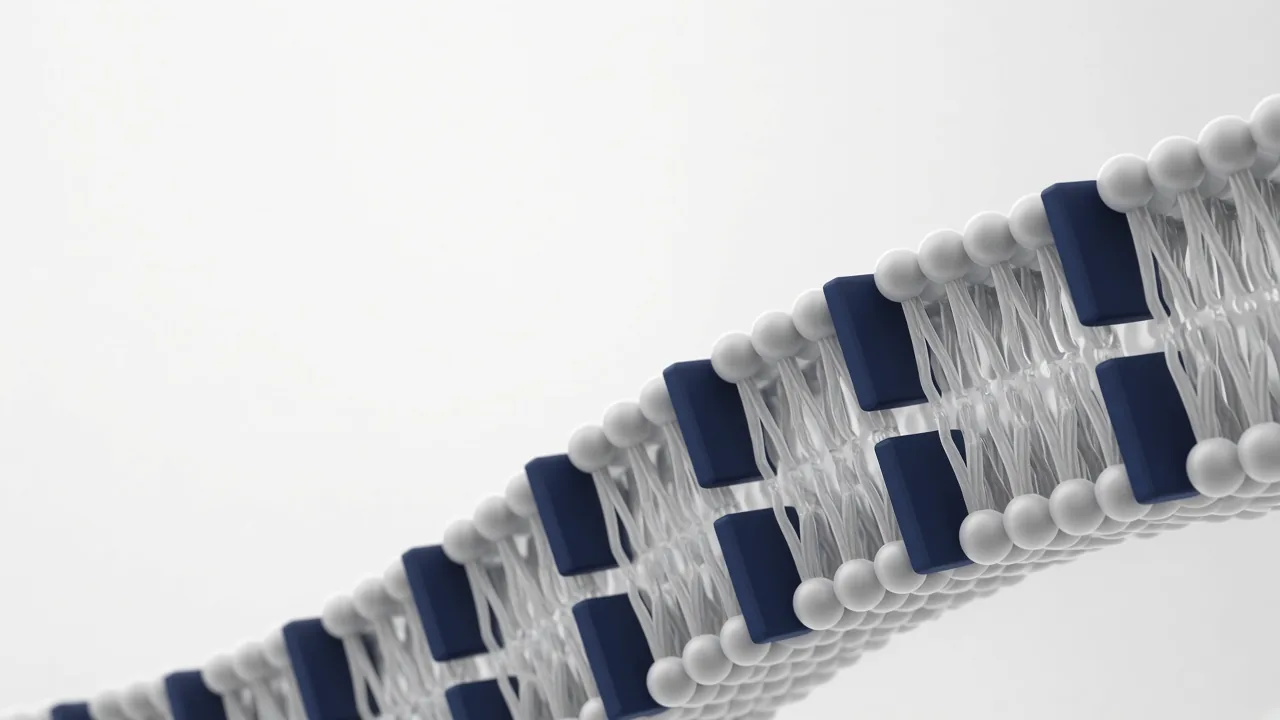
Cholesterol is a waxy, fat-like substance. It has a bad reputation, but we cannot live without it. It is found in the membrane of every cell in the body and keeps that membrane strong and flexible. Sex hormones, the stress hormone cortisol, vitamin D and the bile acids needed to digest fat are all made from cholesterol.
Many people think cholesterol comes mainly from food. In fact, most of the cholesterol in the blood is made by our own liver. The share we get from food is smaller, and when the body receives more from outside, it reduces its own production somewhat. That is why a slim person who eats carefully can still have high cholesterol. The clearest example is familial hypercholesterolemia, which runs in families.
So the problem is not that cholesterol exists. The problem is having too much of it circulating in the blood for many years.
How does cholesterol travel in the blood?
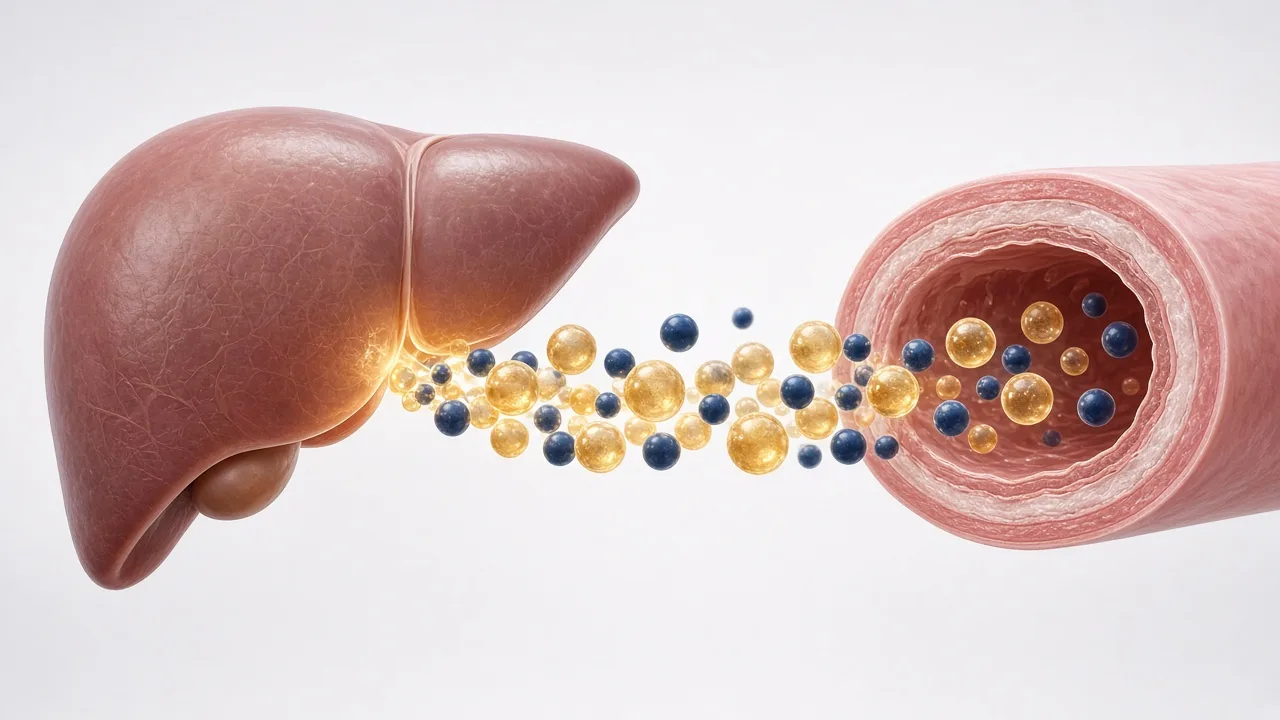
Fat and water do not mix, and blood is mostly water. Cholesterol and triglycerides cannot travel alone, so the body packs them into small particles. The medical term for these particles is lipoprotein.
Think of a lipoprotein as a loaded truck. The cargo is cholesterol and triglyceride. The shell around it is a protective layer. And the labels that tell the truck where to go are proteins called apolipoproteins. The ApoB and ApoA1 you may see on a report are the names of these labels. We will look at them in detail in the next article.
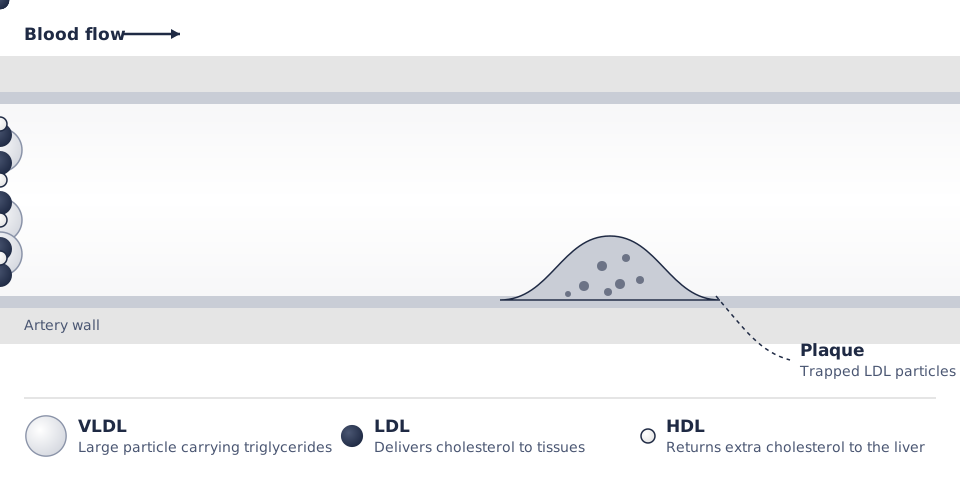
The carriers, one by one
Chylomicrons: the carriers after a meal
Fat from food is absorbed in the intestine and loaded into very large particles called chylomicrons, which enter the blood. They circulate for a few hours, drop their load into muscle and fat tissue, and disappear. In a test taken after fasting, they are normally almost absent.
VLDL: the liver’s triglyceride package
The liver packs surplus energy as triglyceride and sends it out as VLDL. As VLDL circulates, it releases its triglyceride to tissues and shrinks, first becoming an intermediate particle and then LDL. In other words, most LDL is born from VLDL that has already emptied. The leftover remnants of VLDL also carry cholesterol and can enter the artery wall.
LDL: the carrier that delivers cholesterol to tissues
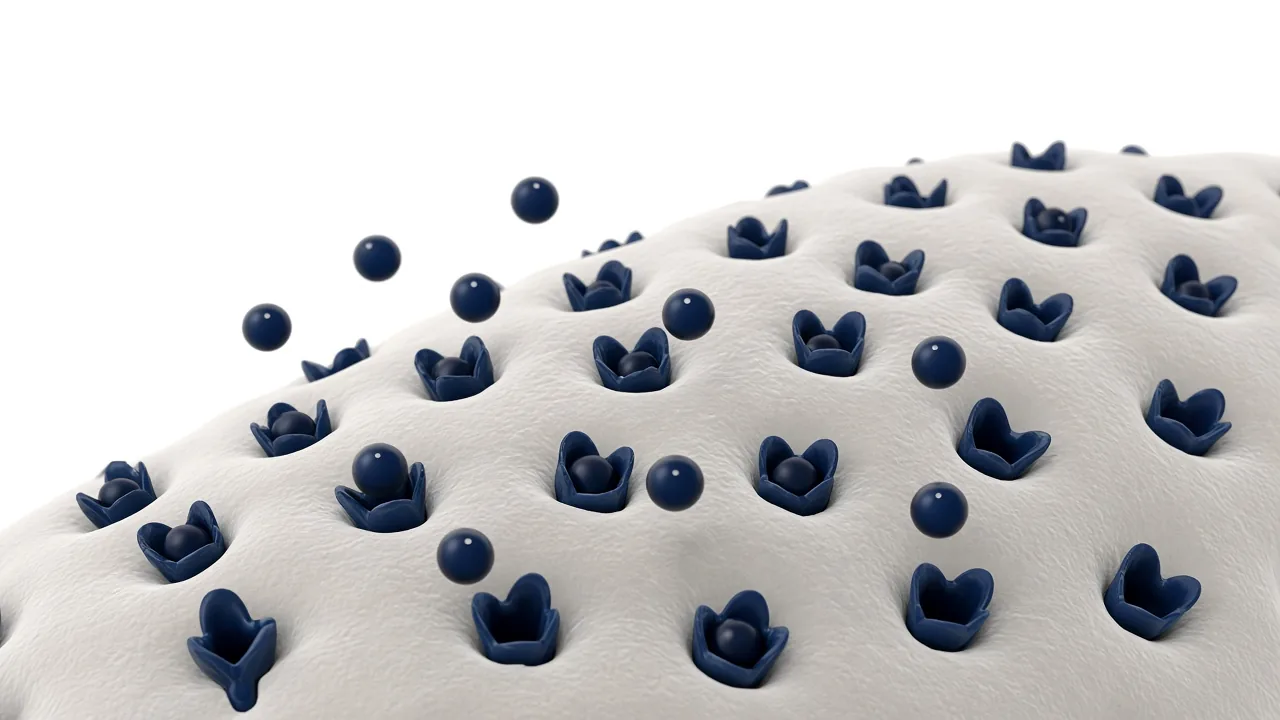
LDL carries most of the cholesterol in the blood and delivers it to cells. When its job is done, it is cleared from the blood by “LDL receptors” on liver cells. If the liver makes too few of these receptors, or too much LDL arrives in the blood, LDL stays longer and its number rises.
HDL: the collector
HDL is the smallest particle. It helps collect surplus cholesterol from tissues, including from the artery wall, and carry it back to the liver. That is where the name “good cholesterol” comes from. As we will see, that name tells only part of the story.
What does LDL do in the artery wall?
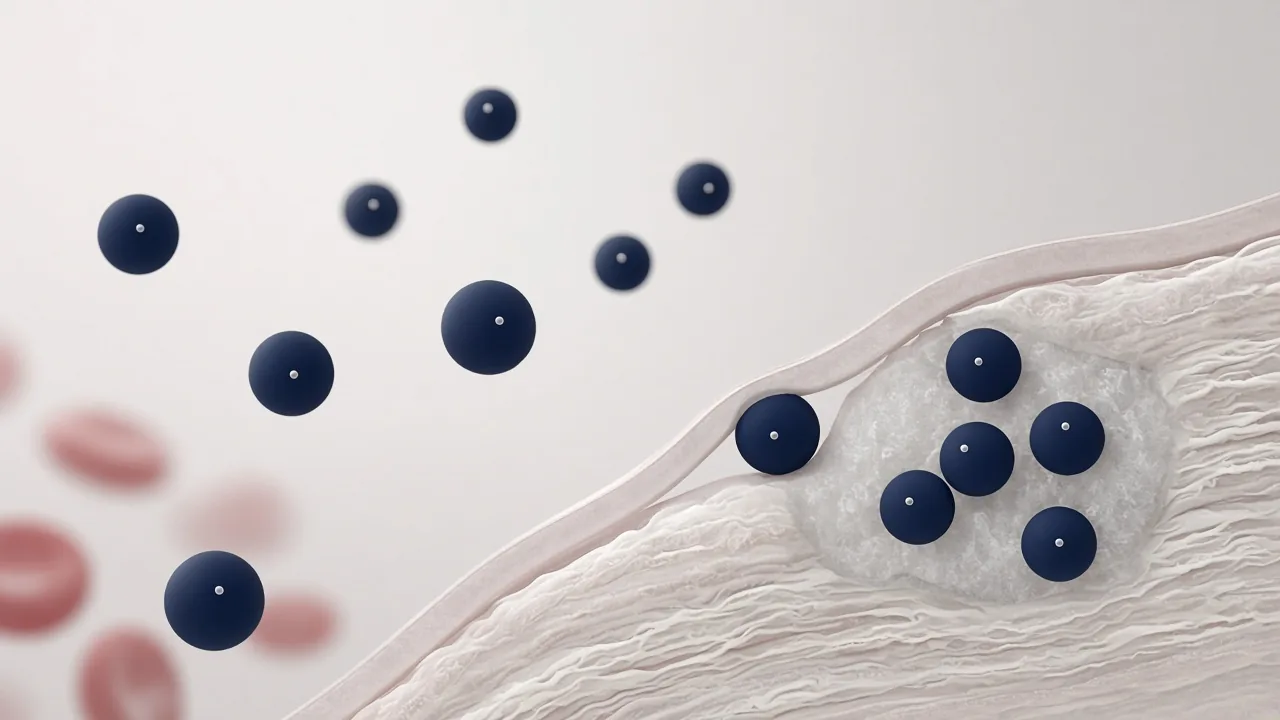
LDL particles are small enough to pass into the inner layer of the artery wall. The more LDL there is in the blood, the more particles enter the wall. Some leave again; others are trapped and change their structure. The body’s defence cells swallow these altered particles, become loaded with cholesterol, and die. Over years, this accumulation forms plaque. Plaque can narrow the artery, or one day crack and allow a clot to form on it. Most heart attacks and strokes start this way.
Two things matter most here: how much and for how long. The artery effectively accumulates the exposure over the years. Smoking, high blood pressure and diabetes speed the process up.
Today we have very strong evidence that LDL drives vascular disease:
- In the ARIC study, Black participants with a PCSK9 variant that lowers LDL lifelong had LDL about 28% lower and coronary heart disease about 88% less common. In white participants, LDL was about 15% lower and coronary disease about 47% less common.
- In a pooled analysis of more than 170,000 participants in drug trials, every 39 mg/dL reduction in LDL cut major cardiovascular events by about 22%.
- The European Atherosclerosis Society, reviewing genetic, observational and treatment studies together, has stated clearly that LDL is a cause of atherosclerosis, not just a marker that appears alongside it.
That is why our main treatment target is LDL.
Is HDL really “good cholesterol”?
People with low HDL do develop heart disease more often. That part is true. But low HDL is usually a signal of another problem rather than a cause on its own: inactivity, fat around the waist, insulin resistance, diabetes, smoking and high triglycerides.
For years it was thought that raising HDL with medicine would protect the heart. Drugs designed for this did raise HDL significantly, but they did not reduce heart attacks as expected. Genetic studies of people with naturally high HDL also found that they were not better protected from heart attacks. In a large study of about 116,000 people in Copenhagen, very high HDL levels (about 116 mg/dL and above in men, and 135 mg/dL and above in women) were linked with higher mortality.
My summary for patients: if your HDL is low, treat it as a warning about your lifestyle. If your HDL is high, do not see it as a shield that cancels out high LDL. We decide treatment based on LDL and your overall risk, not on HDL.
What do triglycerides and VLDL tell us?
Triglyceride is the body’s fat energy store. Surplus energy, especially from sugar, white flour and alcohol, is converted to triglyceride in the liver. Triglyceride rises for a few hours after a meal; that is normal. The concern is when it stays high even after fasting.
The main causes of persistently high triglycerides are:
- Excess weight, especially fat around the waist, and insulin resistance
- Poorly controlled diabetes
- Alcohol
- Sugary drinks, fruit juice, sweets and diets based on white flour
- An underactive thyroid, kidney disease and some medicines
- Family predisposition
High triglycerides carry two different risks. The first concerns the arteries: when triglycerides are high, VLDL and its remnants increase, and these remnants carry cholesterol and can enter the artery wall. The second concerns the pancreas: when triglycerides exceed about 500 mg/dL, and especially above 880–1000 mg/dL, the risk of pancreatitis rises sharply. That is an emergency.
As a general guide, fasting triglycerides below 150 mg/dL are considered normal. Values from 150 to 499 mg/dL signal increased vascular risk. 500 mg/dL and above is a serious elevation for both the arteries and the pancreas. I explain how to lower triglycerides in the series article how to lower triglycerides.
How to read a cholesterol panel line by line
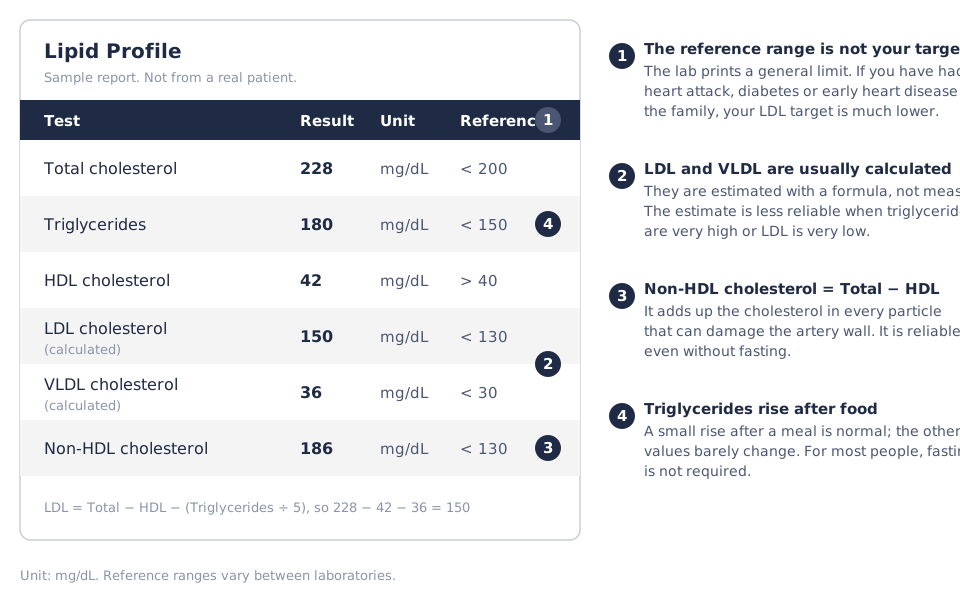
Total cholesterol: the sum of cholesterol in all carriers. Because it includes HDL, it is misleading on its own. Someone with high HDL can have a high total cholesterol and still be at low risk; the opposite is also possible.
LDL cholesterol: our main treatment target. In many laboratories it is not measured directly but calculated with a formula. The oldest and most common formula subtracts HDL and one-fifth of the triglyceride from total cholesterol. This calculation is unreliable when triglycerides are above 400 mg/dL, and it can underestimate the true value when LDL is very low. In those situations, newer calculation methods or a direct measurement are preferred.
VLDL cholesterol: usually not measured on most reports; it is estimated by dividing triglyceride by five. So this line is simply the triglyceride line written in another form.
HDL cholesterol: as explained above, it is not interpreted as simply “good” or “bad” on its own.
Non-HDL cholesterol: total cholesterol minus HDL. It adds up the cholesterol in all the particles that can damage the artery wall (LDL, VLDL and their remnants) into one number. It is more reliable than LDL when triglycerides are high, in people with diabetes, and in non-fasting tests. Its target is usually set 30 mg/dL above the LDL target. If it is not on your report, you can easily calculate it yourself.
Why the reference range on the report is not your target
The “reference” column on a lab report is a general limit written for everyone. For LDL, however, the right target depends on a person’s risk of heart attack and stroke in the coming years. The joint guideline of the European Society of Cardiology and the European Atherosclerosis Society (2019, maintained by the 2025 update) sets LDL targets as follows:
| Risk group | Who falls here (examples) | LDL target |
|---|---|---|
| Very high risk | Anyone who has had a heart attack, stroke, stent or bypass; peripheral artery blockage; diabetes with organ damage; advanced kidney failure | Below 55 mg/dL, and at least a 50% reduction from the starting value |
| High risk | Familial hypercholesterolemia; a single very high risk factor (for example, LDL above 190 mg/dL); long-standing diabetes; moderate kidney disease | Below 70 mg/dL, and at least a 50% reduction |
| Moderate risk | Younger people with diabetes, and those whose calculated risk is moderate | Below 100 mg/dL |
| Low risk | Those whose calculated risk is low | Below 116 mg/dL |
People who have a second heart attack or stroke within two years while taking the highest tolerated statin dose may be asked to go below 40 mg/dL. Which group you belong to is determined by your age, sex, blood pressure, smoking, diabetes, kidney function and family history, taken together. I recommend doing this calculation with your doctor.
Do you need to fast for a cholesterol test?
For most people, no. According to a joint opinion of the European Atherosclerosis Society and the European Federation of Clinical Chemistry and Laboratory Medicine, after an ordinary meal total cholesterol, LDL and HDL change very little. Triglycerides rise on average by about 26 mg/dL. That is why a non-fasting sample is adequate for a routine check.
In these situations I ask for a repeat test after 10–12 hours of fasting:
- Triglycerides above 440 mg/dL on a non-fasting sample
- Past very high triglycerides or pancreatitis
- When we are monitoring the effect of a triglyceride-lowering treatment
Avoiding alcohol and very fatty meals the day before makes results more accurate. Acute illness, recent surgery or heart attack, pregnancy and sudden weight loss can change values temporarily.
When should cholesterol be checked?
Guidelines start routine risk assessment at about age 40 for men and 50 for women, or around menopause. I also recommend that younger adults have at least one cholesterol test. Arteries accumulate LDL over years, and finding high cholesterol caused by genes at 40 rather than 20 means finding it late.
Do not delay testing if a man in your family had a heart attack before 55 or a woman before 65; if several relatives have very high cholesterol; or if you notice yellow bumps around the eyelids or thickening of the Achilles tendons. In these families, children may also need to be evaluated. For details, see our article on early heart attack and genetic risk in the family.
For new-generation cholesterol injections and the role of ApoB and Lp(a) in treatment, you can read our article on LDL cholesterol, ApoB and Lp(a): next-generation cholesterol injections.
Conclusion
Cholesterol is not our enemy; it is a building block the body needs. The problem is that LDL and other artery-damaging carriers circulate in excess for years. When you look at your report, start with LDL and non-HDL cholesterol, note triglycerides separately, and do not rely on a high HDL to ignore the other numbers. Look at a target set for your risk, not only at the reference range.
If you would like to review your results together with your vascular health, you can request an appointment through our contact page.
Frequently asked questions
I am slim and eat healthily. Why is my cholesterol high?
Most cholesterol in the blood is made by the liver, and genes largely determine how much. So LDL can be high even in slim people who eat carefully. If LDL is above 190 mg/dL, or early heart disease runs in the family, familial hypercholesterolemia should be investigated.
My HDL is high. Do I still need to watch my LDL?
Yes. High HDL does not cancel the damage caused by high LDL. Treatment decisions are based on LDL and your overall risk.
Will my brain be harmed if my cholesterol gets very low?
The brain makes its own cholesterol and does not depend on LDL in the blood. In detailed studies of memory and attention in people whose LDL was lowered to very low levels with treatment, no decline was found compared with placebo.
My VLDL is high. Is that a separate disease?
Usually not. The VLDL value on most reports is estimated by dividing triglycerides by five. If VLDL is high, triglycerides are high too, and that is what we assess.
How often should I get tested?
If your values are normal and your risk is low, a check every few years is often enough. If you have just started treatment or the treatment has changed, the test is repeated after 6–8 weeks; once the target is reached, usually once a year.
Scientific sources:
- Mach F, Baigent C, Catapano AL, et al. 2019 ESC/EAS Guidelines for the management of dyslipidaemias. European Heart Journal. 2020;41:111–188.
- Mach F, Koskinas KC, Roeters van Lennep JE, et al. 2025 Focused Update of the 2019 ESC/EAS Guidelines for the management of dyslipidaemias. European Heart Journal. 2025;46:4359–4378.
- Ference BA, Ginsberg HN, Graham I, et al. Low-density lipoproteins cause atherosclerotic cardiovascular disease: evidence from genetic, epidemiologic and clinical studies. European Heart Journal. 2017;38:2459–2472.
- Cholesterol Treatment Trialists’ Collaboration. Efficacy and safety of more intensive lowering of LDL cholesterol: a meta-analysis of data from 170,000 participants in 26 trials. Lancet. 2010;376:1670–1681.
- Cohen JC, Boerwinkle E, Mosley TH, Hobbs HH. Sequence variations in PCSK9, low LDL, and protection against coronary heart disease. New England Journal of Medicine. 2006;354:1264–1272.
- Voight BF, Peloso GM, Orho-Melander M, et al. Plasma HDL cholesterol and risk of myocardial infarction: a Mendelian randomisation study. Lancet. 2012;380:572–580.
- Madsen CM, Varbo A, Nordestgaard BG. Extreme high high-density lipoprotein cholesterol is paradoxically associated with high mortality in men and women: two prospective cohort studies. European Heart Journal. 2017;38:2478–2486.
- Nordestgaard BG, Langsted A, Mora S, et al. Fasting is not routinely required for determination of a lipid profile. European Heart Journal. 2016;37:1944–1958.
- Ginsberg HN, Packard CJ, Chapman MJ, et al. Triglyceride-rich lipoproteins and their remnants: metabolic insights, role in atherosclerotic cardiovascular disease, and emerging therapeutic strategies. European Heart Journal. 2021;42:4791–4806.
- Martin SS, Blaha MJ, Elshazly MB, et al. Comparison of a novel method vs the Friedewald equation for estimating low-density lipoprotein cholesterol levels from the standard lipid profile. JAMA. 2013;310:2061–2068.
- Giugliano RP, Mach F, Zavitz K, et al. Cognitive function in a randomized trial of evolocumab. New England Journal of Medicine. 2017;377:633–643.
This article is for general information only and does not replace a medical diagnosis or personal treatment advice. Your cholesterol target and treatment should be set by your doctor based on a personal risk assessment.