

Last month a patient arrived with a list in hand: lemon water in the morning, apple cider vinegar at noon, garlic in the evening, and a spoonful of olive oil on every meal. “I will lower my cholesterol without medicine,” he said. Part of the list was harmless. But for someone whose LDL was 210, I also had to say that the list could not replace the medicine.
There are many ways to lower cholesterol. They are not equally strong, and they are not in the same order for everyone. In this article I will explain how much reduction to expect from diet, exercise and medicines, where the fear of statins comes from, and when a medicine should not be delayed. Our first article covered what cholesterol is, and the second covered ApoB and Lp(a).
First, set the right expectations
The point that surprises patients most is this: a store-bought oil will not halve your LDL. And a medicine alone will not make butter, smoking or inactivity harmless. Each does a different job.
There is also a useful way to think about it. Every 39 mg/dL reduction in LDL cuts major cardiovascular events by about 22%. This relationship holds whether the reduction comes from a statin or from another drug. In other words, what matters is how much LDL falls and how long it stays low, as much as which medicine achieves it.
How does diet lower LDL?
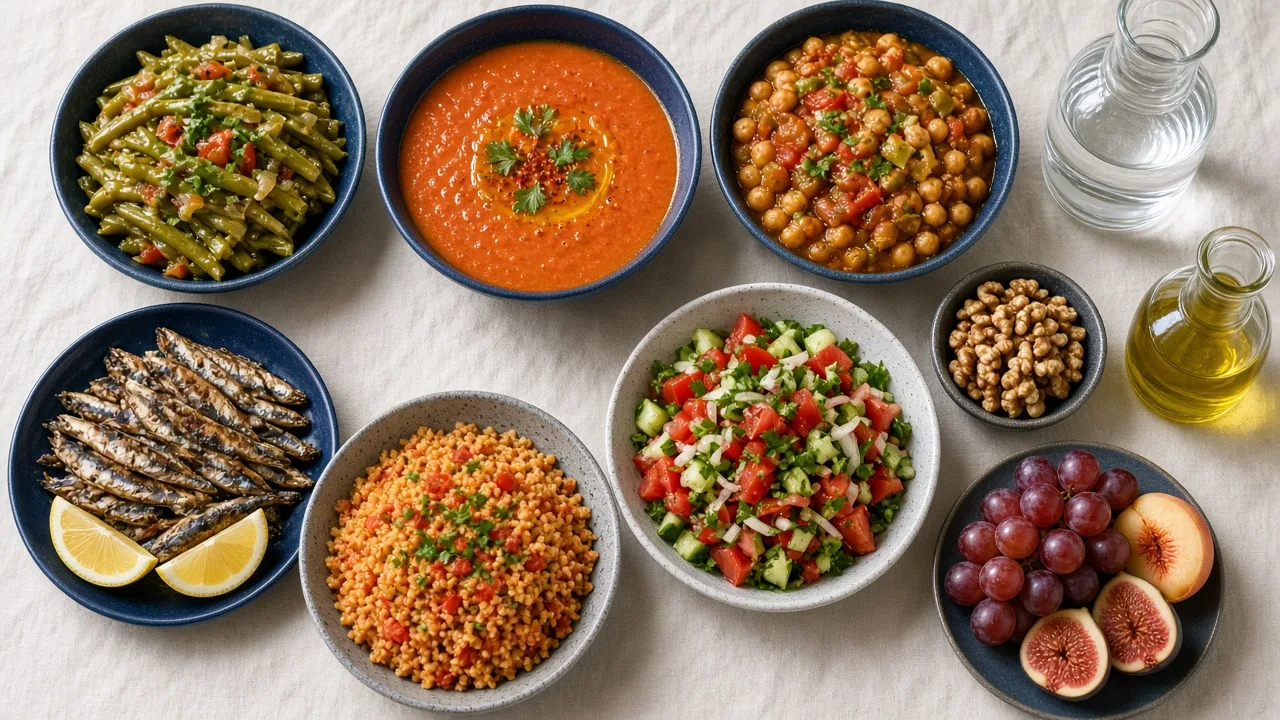
The most consistent dietary step for LDL is to reduce saturated fat and replace it with unsaturated fat. Saturated fat is found in butter, lamb fat, cream, offal, processed meat and excess full-fat dairy. When it is replaced with olive oil, fish, walnuts and hazelnuts, LDL falls. Olive oil works instead of butter. Adding it on top of butter adds calories and does not lower LDL.
Trans fat, found in older generations of margarine and in oils that are heated repeatedly, raises LDL. Avoiding it is one of the few dietary steps with no real argument against it.
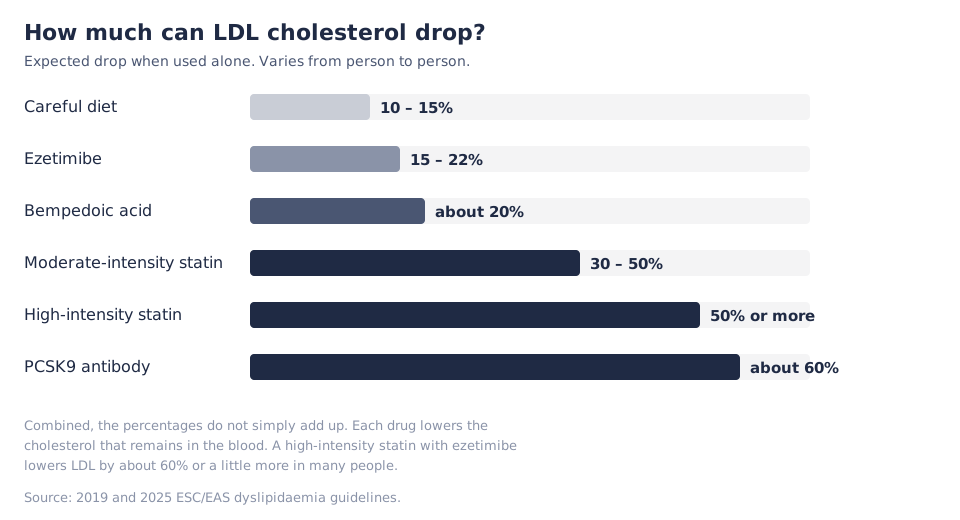
Soluble fibre also lowers LDL. Oats, barley, legumes, apples and pears provide it. Five to ten grams of soluble fibre a day lowers LDL by about 5%. Two grams of plant sterols a day lowers LDL by about 7–10%. Sterols are added to some yoghurts and spreads. The random capsules on supermarket shelves do not contain that dose.
Eggs are less decisive for most people than is often believed. One egg a day usually causes no meaningful rise in someone whose LDL is not very high. For people with LDL above 190 mg/dL, or possible familial hypercholesterolaemia, portion size is discussed separately.
Sugary drinks, white flour and alcohol raise triglycerides more than LDL. I will cover them in a separate article.
Putting all of this together into a consistent pattern lowers LDL by about 10–15% in most people. That is not a small gain. But for someone whose LDL is above 200 mg/dL, it is not enough to reach the target on its own.
Exercise and weight
Brisk walking sits near the bottom of my list for LDL. 150 minutes a week of moderate activity, or 75 minutes of more vigorous activity, plus two days of strength training, usually moves LDL by only a few points. What improves more clearly is triglycerides, blood pressure, waist size and insulin resistance. These matter for arteries just as much as LDL does.
Losing weight lowers LDL a little. The drop in triglycerides is larger, especially when fat around the waist decreases. This is why it is better to build eating habits as a sustainable pattern rather than a list of forbidden foods. I will describe a plate that protects arteries, with examples from everyday Mediterranean and Turkish cooking, in a separate article.
How do medicines lower cholesterol?
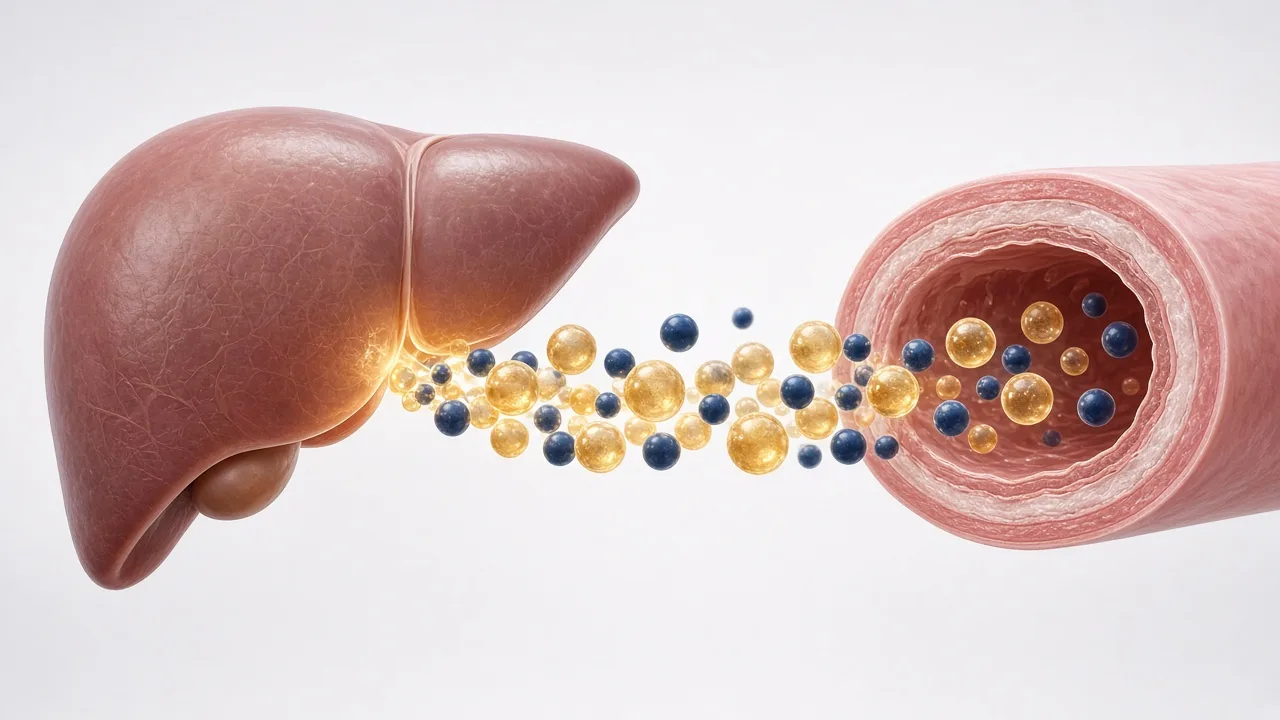
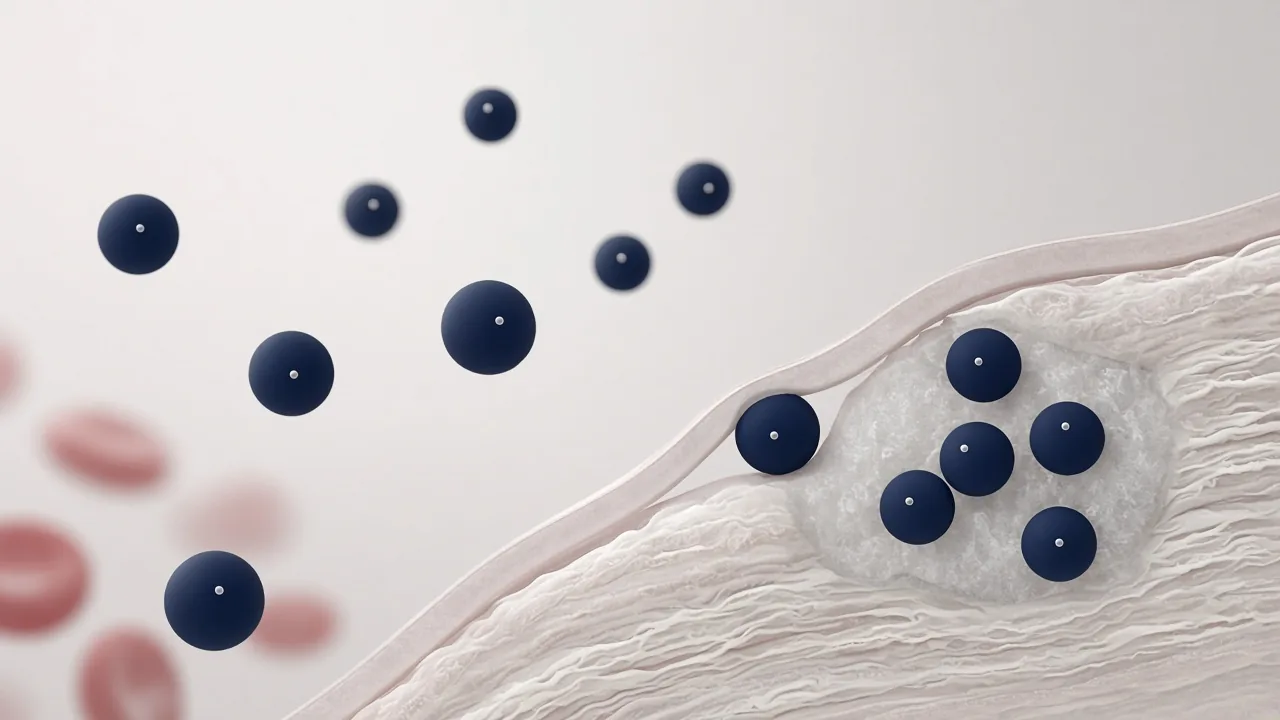
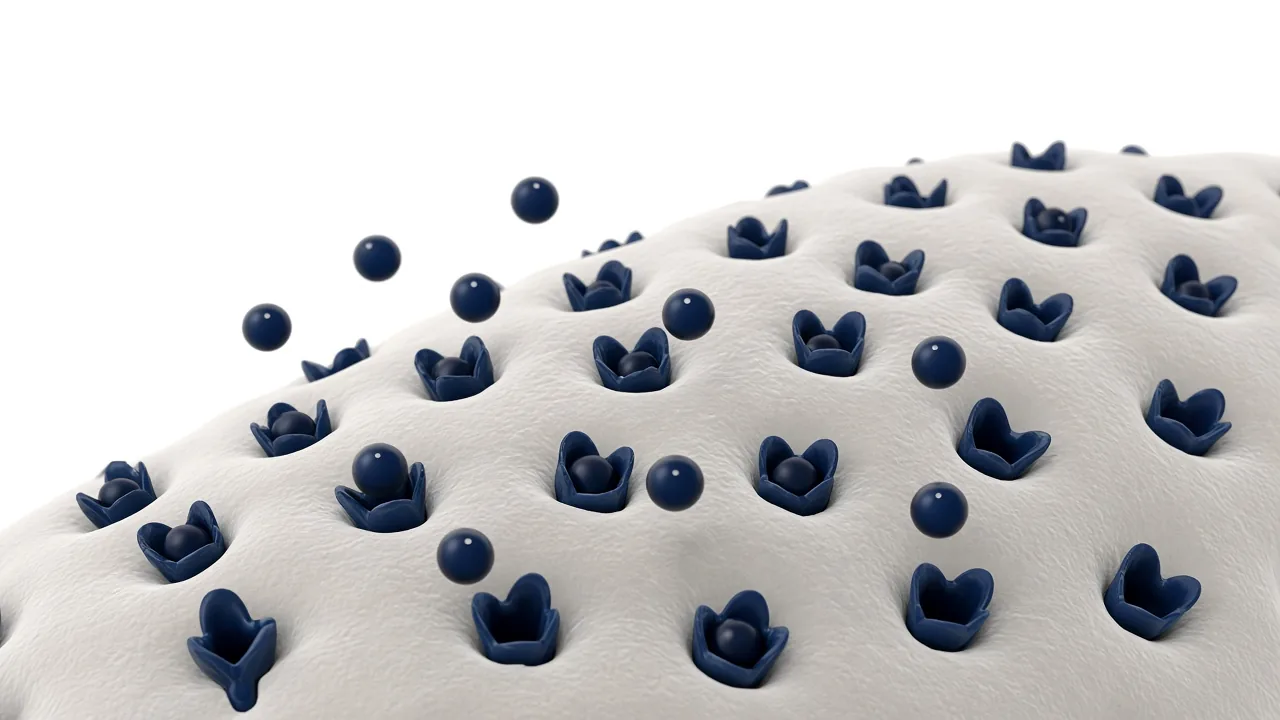
What the LDL-lowering drugs share is the liver. The liver is where cholesterol is both made and cleared from the blood. Clearance is done by receptors on the surface of liver cells. The more receptors there are, the faster LDL is pulled out of the blood. The image on the cover shows this: receptors capture LDL particles from the blood and draw them into the cell.
Statins and bempedoic acid start by reducing the liver’s cholesterol production. When production falls, the liver makes more receptors and clears LDL from the blood faster. Ezetimibe takes a different route: it reduces the cholesterol the intestine reabsorbs. PCSK9 antibodies block a protein that destroys the receptors; the receptors stay on the surface, and LDL is cleared rapidly.
Statins
Statins are the most thoroughly tested LDL-lowering medicines we have. In a pooled analysis of tens of thousands of patients across many trials, every 39 mg/dL reduction in LDL cut major cardiovascular events by about 22%. This applies to people who have already had a heart attack and to high-risk people who have not yet had an event.
Broadly, they are divided by strength:
- High intensity: atorvastatin 40–80 mg, rosuvastatin 20–40 mg. These lower LDL by half or more. Treatment after a heart attack, stent, bypass or stroke usually starts here.
- Moderate intensity: atorvastatin 10–20 mg, rosuvastatin 5–10 mg and similar doses of other statins. These lower LDL by roughly one-third to one-half.
The dose is chosen by distance from the target. Starting with a low dose and losing months in someone whose LDL is 160 when the target is 55 goes against what the current guidelines advise. In a person admitted with a heart attack who is unlikely to reach the target on a statin alone, adding ezetimibe before discharge is considered.
Grapefruit can raise blood levels of atorvastatin and simvastatin. Avoid grapefruit juice while taking these two. Rosuvastatin is not significantly affected by this interaction.
If a statin is not enough or cannot be used
Ezetimibe is taken once a day, 10 mg. On its own it lowers LDL by about 15–22%. Added to a statin, it lowers LDL by about a further 20–24%. It has been shown to reduce heart attacks and strokes when combined with a statin. The drop is smaller than with a statin, and the reduction in events is more modest. Still, it is not a “second pill that does nothing.”
Bempedoic acid is a tablet that is activated in the liver rather than in muscle. That is why it was developed for people who cannot take statins. In 13,970 people who could not take statins, it lowered LDL by about 21% more than placebo. Over a median of 3.4 years, the combined rate of cardiovascular death, heart attack, stroke and artery-opening procedures was 13% lower: 11.7% on the drug versus 13.3% on placebo. Gout and gallstones were slightly more common; muscle pain was similar in both groups. Availability varies by country. For someone at high or very high risk who cannot tolerate a statin, we discuss it in detail.
PCSK9 antibodies, evolocumab and alirocumab, are given under the skin. On top of a statin, they lower LDL by about 60% more, and they have been shown to reduce cardiovascular events. Inclisiran blocks the same system with an injection given every six months, and lowers LDL by about 50%. The results of its heart attack and stroke outcomes trial are not yet published; they are expected in 2027. The LDL lowering suggests benefit, but I do not say it “reduced events” before that trial reports. Details of the injections are in our article on next-generation cholesterol injections.
Muscle pain, memory and blood sugar: the common fears
Muscle pain is the most common reason people stop statins. Here I try to take the patient seriously while also being honest about the evidence.
In the blinded parts of large trials, muscle complaints do not clearly differ between statin and sugar pill. In one study of 60 people who had stopped their statin because of side effects, about 90% of the complaints reported during the statin period also appeared during the placebo period. At the end of the study, half of the participants restarted their statin. This study is small and limited to people whose symptoms began in the first weeks of treatment. Even so, it shows that the pain we expect when we see the tablet can be produced by the expectation itself.
That does not mean muscle pain is never real. In a small group the pain is linked to the drug. In that case we lower the dose, give it every other day, switch to another statin, or return to non-statin medicines. If there is marked weakness in the legs, dark-coloured urine or pain that cannot be tolerated, stop the tablet and seek care the same day. Severe muscle breakdown is very rare, but when it happens it is not expected.
A similar picture exists for memory. In a detailed study of memory and attention in patients whose LDL was lowered to very low levels, there was no difference between the drug and the sugar pill. The brain makes the cholesterol it needs.
For blood sugar, the effect is small but real. Statin users are slightly more often given a new diagnosis of diabetes: roughly one extra diagnosis per 255 people treated for four years. This risk is small compared with the heart attacks and strokes that statins prevent in high-risk people. Statins are not stopped in someone who already has diabetes; their blood sugar is monitored instead.
Supplements do not replace medicine
The 2025 guideline does not recommend supplements for preventing vascular disease, because they have not been shown to lower LDL meaningfully or to have proven safety. A 2022 trial, the SPORT study, compared low-dose rosuvastatin (5 mg a day) with placebo and six common supplements. Rosuvastatin lowered LDL-C by 35.2% more than placebo. None of the supplements lowered LDL more than placebo: fish oil, cinnamon, garlic, turmeric, plant sterol capsules and red yeast rice.
Red yeast rice contains a substance identical to lovastatin, a statin. The amount varies from product to product. “Natural” does not mean free of side effects; muscle pain and drug interactions lead to the same place as with statins. I would not choose a capsule of unknown strength over a medicine with a known dose.
Coenzyme Q10 has also not been shown to prevent muscle pain. It may do no harm, but I do not recommend stopping a statin to take it instead.
When should medicine not be delayed?
- After a heart attack, stent, bypass, stroke or blockage in the leg arteries, diet continues. The foundation of treatment is medicine, and the target is generally an LDL below 55 mg/dL.
- When LDL is above 190 mg/dL, especially with early heart disease in the family, the cause is usually not diet alone. Medicine is not delayed, and familial hypercholesterolaemia is considered.
- For someone at low risk with a mildly raised LDL, a trial of careful eating and movement for 8–12 weeks is reasonable. When that period is over, the test is repeated. If LDL has not fallen, medicine is discussed.
A person planning a pregnancy should not take a statin. The medicine is stopped before pregnancy is decided. Statins are also not given during breastfeeding.
Conclusion
There are small and large tools for lowering cholesterol. Diet, fibre and weight provide a small but real reduction and also help reduce other threats to the arteries. The larger reduction, and protection against heart attacks, comes from statins and, when needed, ezetimibe, bempedoic acid or injections. Fear alone is not a sufficient reason to stop a medicine. Complaints should not be dismissed with “you will get used to it.” Between the two lies a middle path that is set by your test results and your risk.
If you would like to discuss this path based on your own test results, you can request an appointment through our contact page.
Frequently asked questions
Does olive oil lower cholesterol?
When it replaces saturated fats such as butter or lamb fat, it helps lower LDL. When it is added on top of them, it adds calories and does not lower cholesterol.
Are statins addictive?
No. When the medicine is stopped, cholesterol returns to its earlier level, because the liver’s production setting has not changed. This does not mean addiction; it means the treatment works only as long as it is taken.
If I have muscle pain, should I stop the medicine myself?
If you have unbearable pain, marked weakness or dark urine, stop the tablet and seek care the same day. For mild, temporary pain, do not simply stop on your own, especially if you have already had a heart attack. Changes to the dose or the medicine should be made with your doctor.
Can I manage with diet and avoid medicine?
In some people whose LDL is close to target and whose risk is low, yes. For someone who has had a heart attack or whose LDL is above 190 mg/dL, diet is added to medicine; it does not replace it.
Do fish oil capsules lower LDL?
The fish oil capsules sold in shops do not meaningfully lower LDL. High-dose, purified fish oil prescribed for very high triglycerides, under medical supervision, is a separate topic, which I will cover in the triglyceride article.
Scientific sources:
- Mach F, Baigent C, Catapano AL, et al. 2019 ESC/EAS Guidelines for the management of dyslipidaemias. European Heart Journal. 2020;41:111–188.
- Mach F, Koskinas KC, Roeters van Lennep JE, et al. 2025 Focused Update of the 2019 ESC/EAS Dyslipidaemia Guidelines. European Heart Journal. 2025;46:4359–4378.
- Cholesterol Treatment Trialists’ Collaboration. Efficacy and safety of more intensive lowering of LDL cholesterol: a meta-analysis of data from 170,000 participants in 26 trials. Lancet. 2010;376:1670–1681.
- Cannon CP, Blazing MA, Giugliano RP, et al. Ezetimibe added to statin therapy after acute coronary syndromes. New England Journal of Medicine. 2015;372:2387–2397.
- Nissen SE, Lincoff AM, Brennan D, et al. Bempedoic acid and cardiovascular outcomes in statin-intolerant patients. New England Journal of Medicine. 2023;388:1353–1364.
- Sabatine MS, Giugliano RP, Keech AC, et al. Evolocumab and clinical outcomes in patients with cardiovascular disease. New England Journal of Medicine. 2017;376:1713–1722.
- Schwartz GG, Steg PG, Szarek M, et al. Alirocumab and cardiovascular outcomes after acute coronary syndrome. New England Journal of Medicine. 2018;379:2097–2107.
- Wood FA, Howard JP, Finegold JA, et al. N-of-1 trial of a statin, placebo, or no treatment to assess side effects. New England Journal of Medicine. 2020;383:2182–2184.
- Giugliano RP, Mach F, Zavitz K, et al. Cognitive function in a randomized trial of evolocumab. New England Journal of Medicine. 2017;377:633–643.
- Sattar N, Preiss D, Murray HM, et al. Statins and risk of incident diabetes: a collaborative meta-analysis of randomised statin trials. Lancet. 2010;375:735–742.
- Laffin LJ, Bruemmer D, Garcia M, et al. Comparative effects of low-dose rosuvastatin, placebo, and dietary supplements on lipids and inflammatory biomarkers (SPORT trial). Journal of the American College of Cardiology. 2023;81:1–12.
This article is for general information only and does not replace a medical diagnosis or personal treatment advice. Medicine choice and dose should be determined by your doctor based on your risk assessment. Statins are not used in pregnancy.