

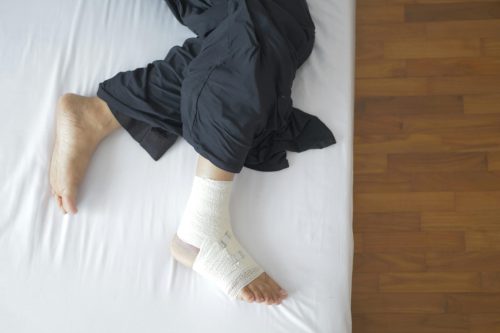
A wound is expected to move through a healing process. When a leg wound remains open, enlarges, drains or repeatedly reopens, an underlying cause should be investigated. A non-healing leg wound is not just a skin problem.
How Does a Wound Normally Heal?
Normal healing requires adequate blood flow, controlled infection, reduced pressure, proper nutrition and a healthy inflammatory response. If one of these conditions is missing, healing may stall.
Common Causes of Non-Healing Leg Wounds
- Chronic venous insufficiency
- Artery blockage
- Diabetes and neuropathy
- Infection
- Pressure injury
- Swelling and lymphedema
- Smoking, poor nutrition or immune problems
Venous Insufficiency and Venous Wounds
Venous wounds usually occur around the ankle and are associated with swelling, brown discoloration, varicose veins and drainage. Compression and treatment of venous reflux may be needed.
Wounds Due to Artery Blockage
Arterial wounds often occur on toes, the foot edge or pressure points. They may be painful, dry or dark. If blood flow is poor, dressings alone cannot close the wound.
How Does Diabetes Affect Healing?
Diabetes can reduce sensation, increase infection risk and damage small and large vessels. A diabetic wound should be evaluated early, especially if there is callus, redness, drainage or black discoloration.
What Evaluations Are Needed?
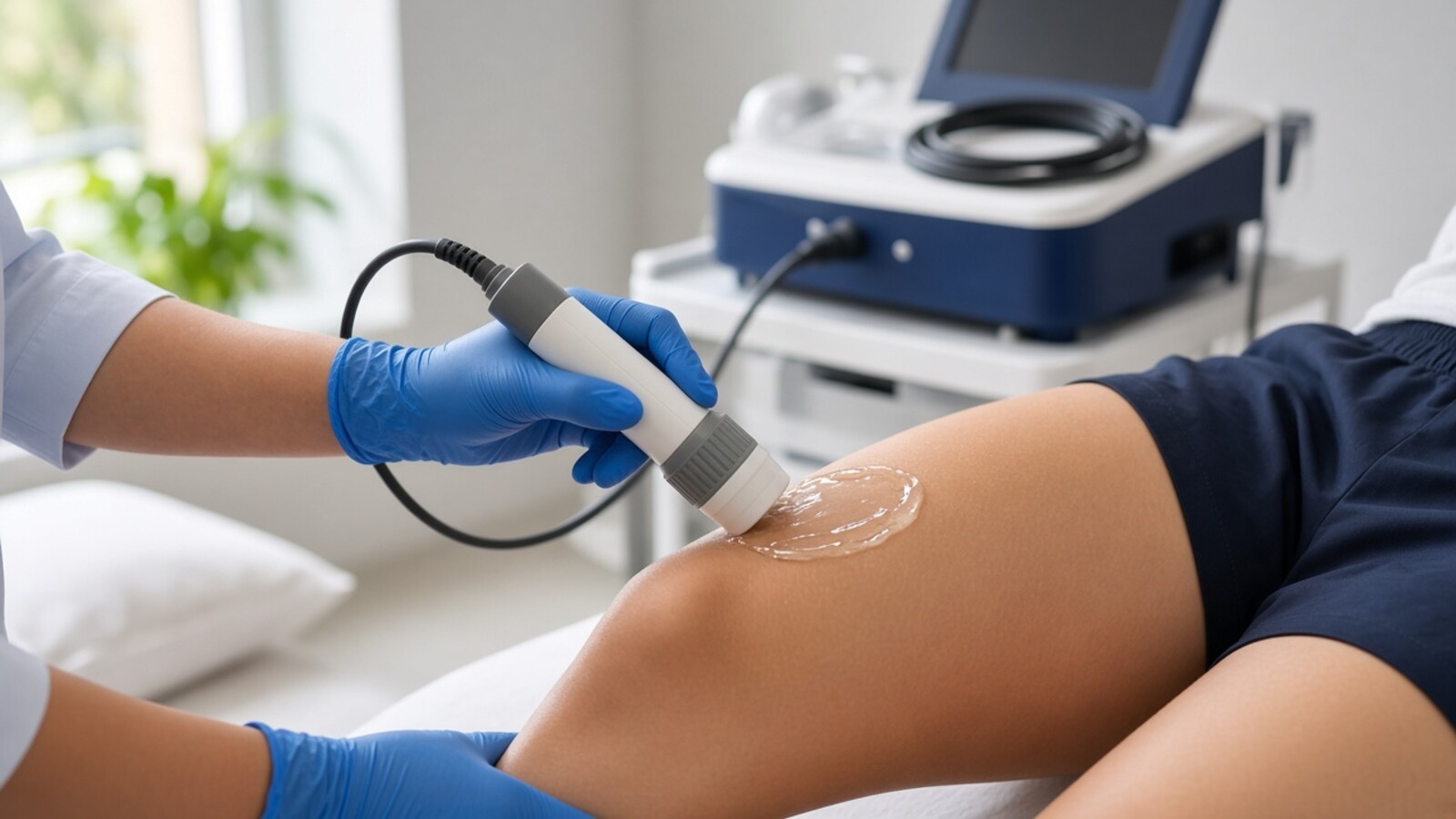
Assessment may include wound examination, infection evaluation, Doppler ultrasound, arterial circulation tests, venous reflux mapping, blood sugar control and pressure analysis.
When Should You See a Doctor?
- The wound has not improved within a reasonable time
- Pain, odor or discharge increases
- There is spreading redness
- The toe or foot becomes black, cold or pale
- You have diabetes or known vascular disease
Related: Venous Ulcer, Diabetic Foot Wound and Chronic Wound Treatment.