

This article is for informational purposes only. People with limited exercise capacity, heart disease, active wounds or suspected clotting should follow medical advice before starting exercise.
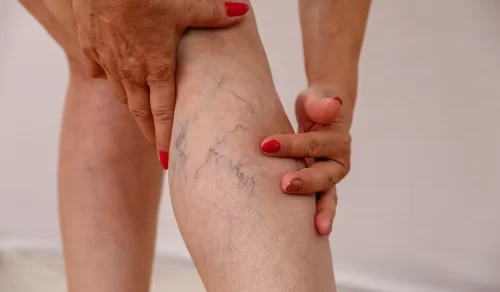
Exercise and nutrition do not remove established varicose veins, but they can support venous circulation, reduce symptom burden and help protect overall vascular health. The key is consistency, not extreme routines.
Why Is Walking Important?
The calf muscles act like a pump for the leg veins. When you walk, the calf contracts and helps push blood upward. Regular walking can reduce heaviness and swelling in many patients with venous symptoms.
Simple Calf Exercises
- Heel raises while standing
- Ankle circles while sitting
- Toe pulls toward the body
- Short walking breaks during the day
- Gentle stretching after prolonged standing
For People Who Stand for Long Hours
Avoid locking the knees for long periods. Shift weight, rise onto the toes, walk briefly when possible and elevate the legs during rest breaks. Compression stockings may be helpful in selected patients.
Nutrition: No Miracle Food, But a Strong Foundation
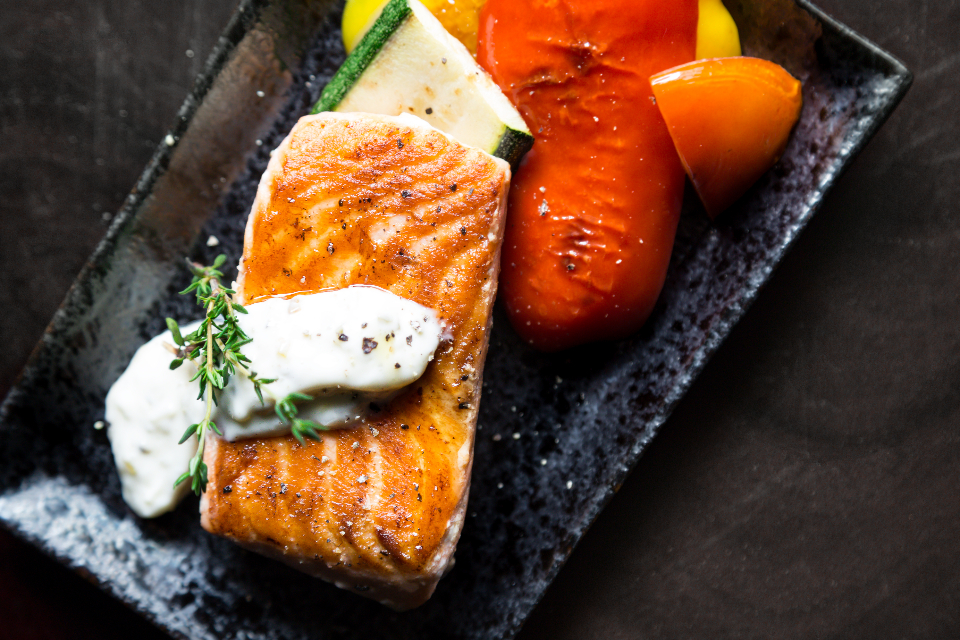
A balanced diet supports weight control, blood pressure, cholesterol and inflammation. Prioritize vegetables, fruit, legumes, whole grains, fish, olive oil and adequate water intake. Limiting excess salt may help patients prone to swelling.
What Should Be Avoided?
- Long immobility
- Smoking
- Rapid weight gain
- Excess salt when swelling is present
- Very hot baths or saunas if symptoms worsen
Lifestyle and Interventional Treatment
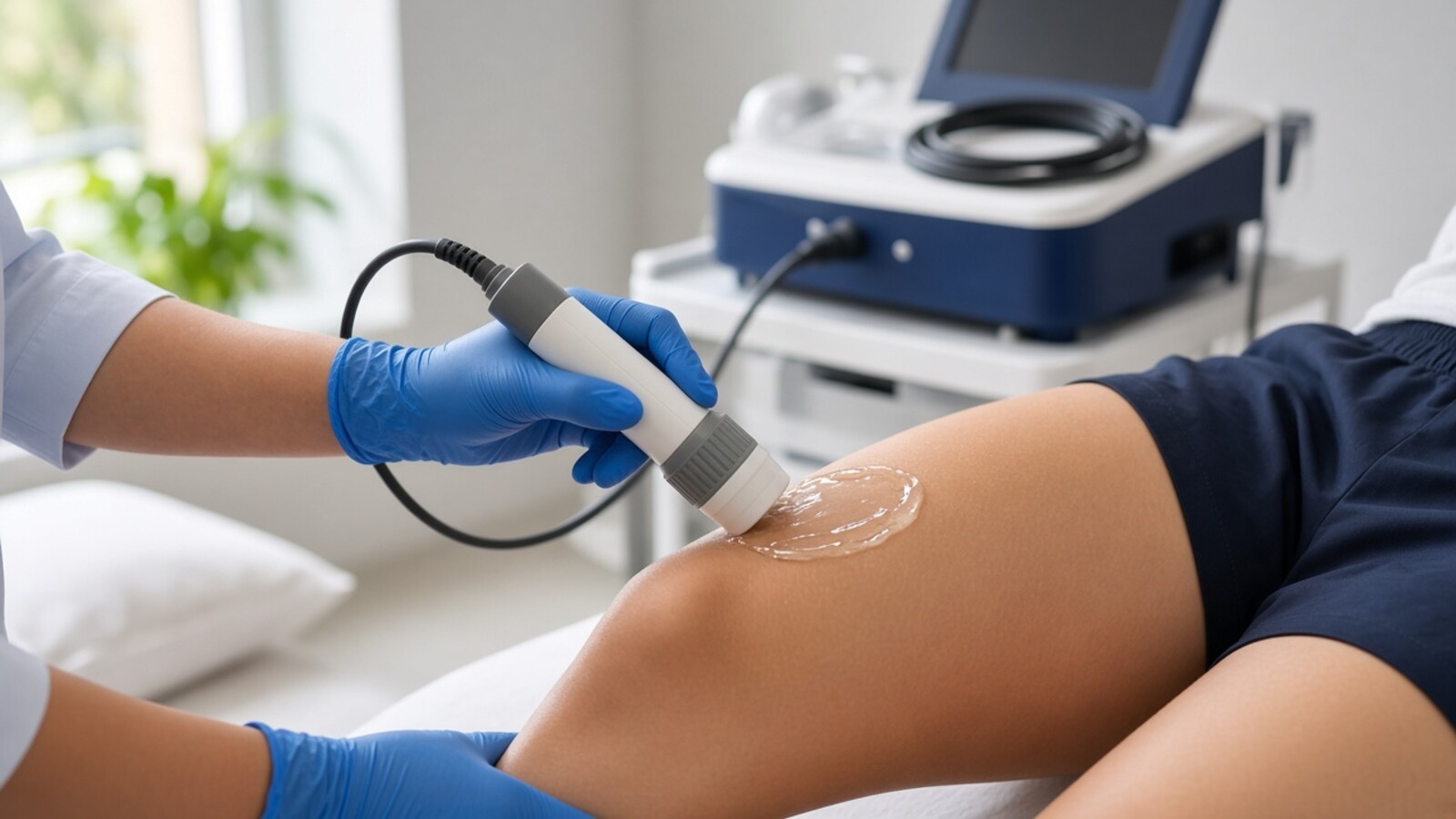
When significant reflux is present, lifestyle measures alone may not be enough. They should be seen as supportive measures alongside proper Doppler evaluation and, when needed, interventional treatment.
For a full treatment overview, visit Varicose Veins. You may also read Compression Stockings.