

This article is for informational purposes only. Treatment choice should be made after Doppler ultrasound and physician evaluation.
Endovenous laser ablation (EVLA) is a minimally invasive treatment used to close selected refluxing veins from the inside. It is commonly used for great or small saphenous vein insufficiency when anatomy is suitable.
Who Can Receive EVLA?
EVLA may be appropriate for patients whose Doppler ultrasound shows significant reflux in a vein suitable for catheter-based treatment. Vein diameter, depth, course and relationship to nerves and skin all affect the decision.
How Is the Procedure Performed?
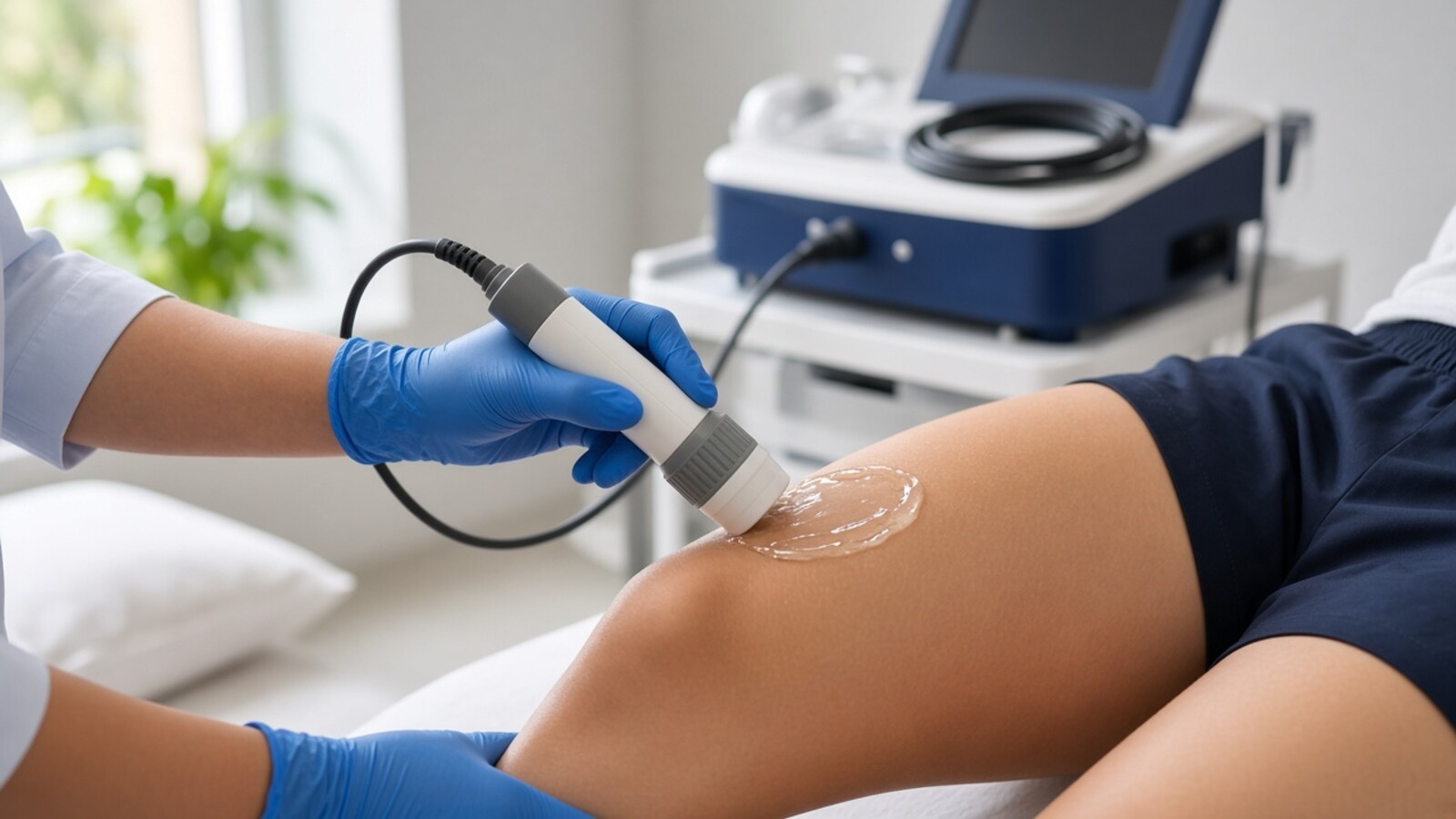
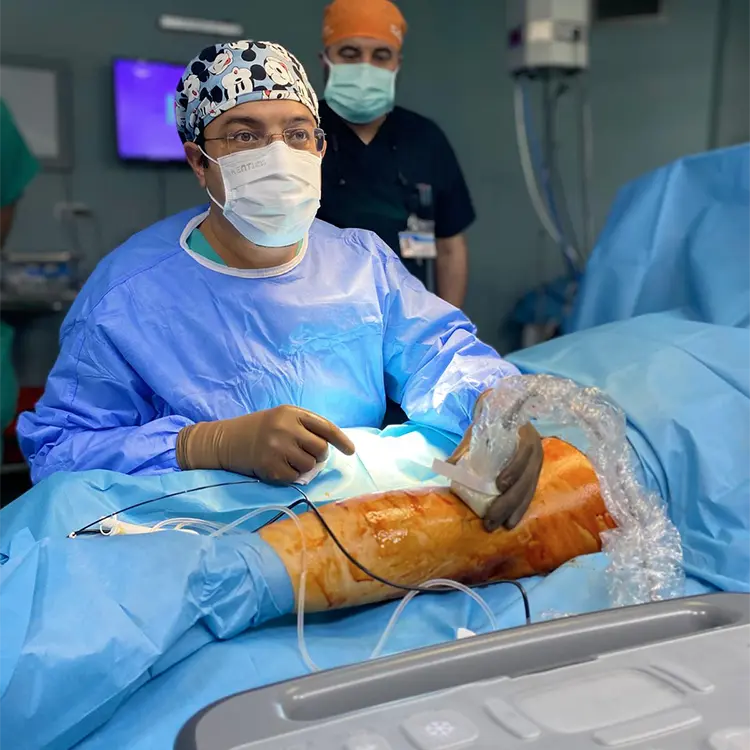
Under ultrasound guidance, a thin laser fiber is advanced into the target vein. Local tumescent anesthesia is placed around the vein to protect surrounding tissues and reduce discomfort. Laser energy is then delivered while the fiber is withdrawn, closing the vein.
Advantages
- No large surgical incision
- Usually outpatient treatment
- Quick return to walking
- Effective treatment of reflux in selected veins
- Can be combined with branch treatment when needed
Possible Risks
Bruising, tightness, tenderness, temporary numbness, skin irritation and rare clot extension can occur. Correct ultrasound mapping, proper catheter position and appropriate energy delivery reduce risk.
After the Procedure
Walking is usually recommended soon after treatment. Compression stockings may be prescribed. Follow-up Doppler ultrasound helps confirm vein closure and evaluate recovery.
For related information, see common mistakes in varicose vein treatment and Varicose Veins.