


Varicose vein treatment can be highly successful when it is planned correctly. Modern methods such as endovenous laser, radiofrequency ablation, foam sclerotherapy and microsurgical techniques can treat many patients without traditional open surgery. However, varicose veins may return when the source of venous reflux is missed or when treatment is planned only around the visible veins.
Successful treatment starts with understanding where the problem begins. A vein that appears on the skin is often only the visible part of a deeper circulation issue. The saphenous veins, perforator veins, valve function and deep venous system should be assessed together.
1. Treating Without Doppler Ultrasound
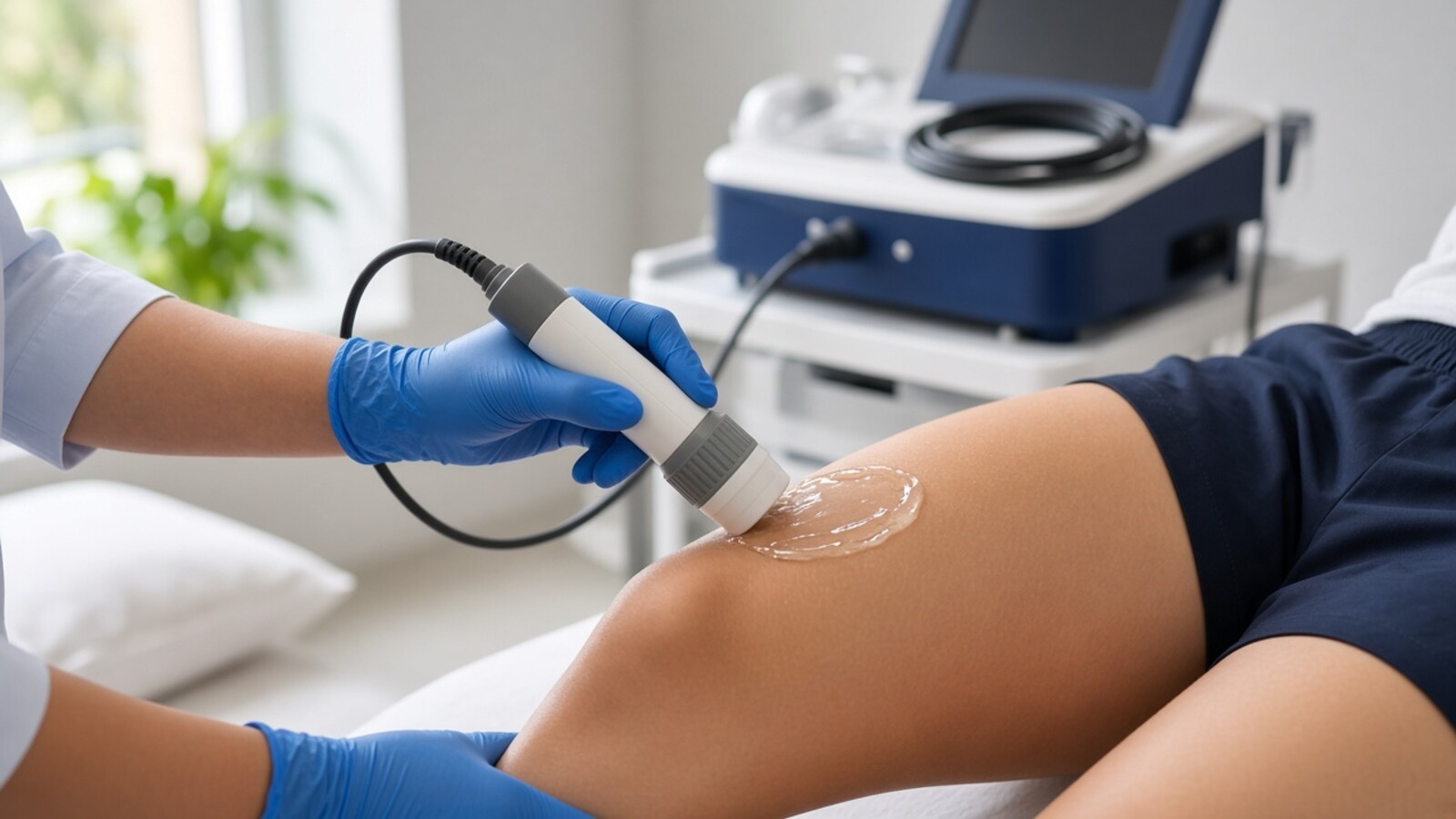
One of the most important mistakes is treating varicose veins without a detailed Doppler ultrasound examination. Physical examination alone cannot show the full reflux map. Doppler ultrasound helps identify which vein is leaking, where reflux starts and whether the deep venous system is safe.
2. Treating Only Visible Veins
Visible veins can be the result, not the cause. If only the surface branches are removed while the main reflux source remains untreated, new veins may appear again. This is one reason patients may say that their varicose veins returned shortly after treatment.
3. Missing Saphenous Vein Insufficiency
The great and small saphenous veins are common sources of reflux. When saphenous insufficiency is not recognized, cosmetic treatment alone is unlikely to solve symptoms such as heaviness, swelling, aching and night cramps.
4. Starting Laser or Radiofrequency at the Wrong Point
Endovenous treatment must begin and end at anatomically correct points. If the catheter is positioned incorrectly, reflux may persist in untreated segments. This can reduce the durability of the result and may create a need for repeat procedures.
5. Using Insufficient Energy
In laser treatment, the amount of energy delivered to the vein matters. Too little energy may fail to close the vein completely. Too much or poorly targeted energy can increase discomfort or complications. Technique and experience are therefore important.
6. Using Laser on Veins Too Close to the Skin
Some superficial veins are not ideal for endovenous laser. When a vein lies very close to the skin, other methods such as mini-phlebectomy or sclerotherapy may be safer and more suitable. Treatment should be selected according to the vein’s depth and anatomy.
7. Ignoring Perforator Vein Insufficiency
Perforator veins connect the superficial and deep venous systems. If incompetent perforators are missed, pressure may continue to transfer to the skin and superficial branches. This is especially important in patients with swelling, skin changes or venous ulcers.
8. Not Using Compression After Treatment
Compression is not a cosmetic detail. In selected patients, the correct compression stocking can reduce bruising, support healing and help control symptoms. The pressure class and duration should be recommended by the physician.
9. Staying Inactive After the Procedure
Walking after treatment supports venous return and reduces the risk of clot formation. Unless the physician gives a different instruction, short and regular walks are usually encouraged after minimally invasive varicose vein procedures.
10. Seeing Varicose Veins as Only a Cosmetic Problem
Varicose veins are not always only a cosmetic concern. They may be associated with chronic venous insufficiency, skin discoloration, swelling, inflammation and venous ulcers. Patients with pain, swelling, skin changes or non-healing wounds should be evaluated medically.
For a broader overview of treatment options, visit the Varicose Veins page. If you have recurrent symptoms after a previous procedure, you can request an appointment through the Contact page.