

This article is for informational purposes only. Diagnosis and treatment require medical evaluation. Sudden shortness of breath, chest pain, fainting, coughing blood, or sudden swelling and pain in one leg should be assessed urgently.
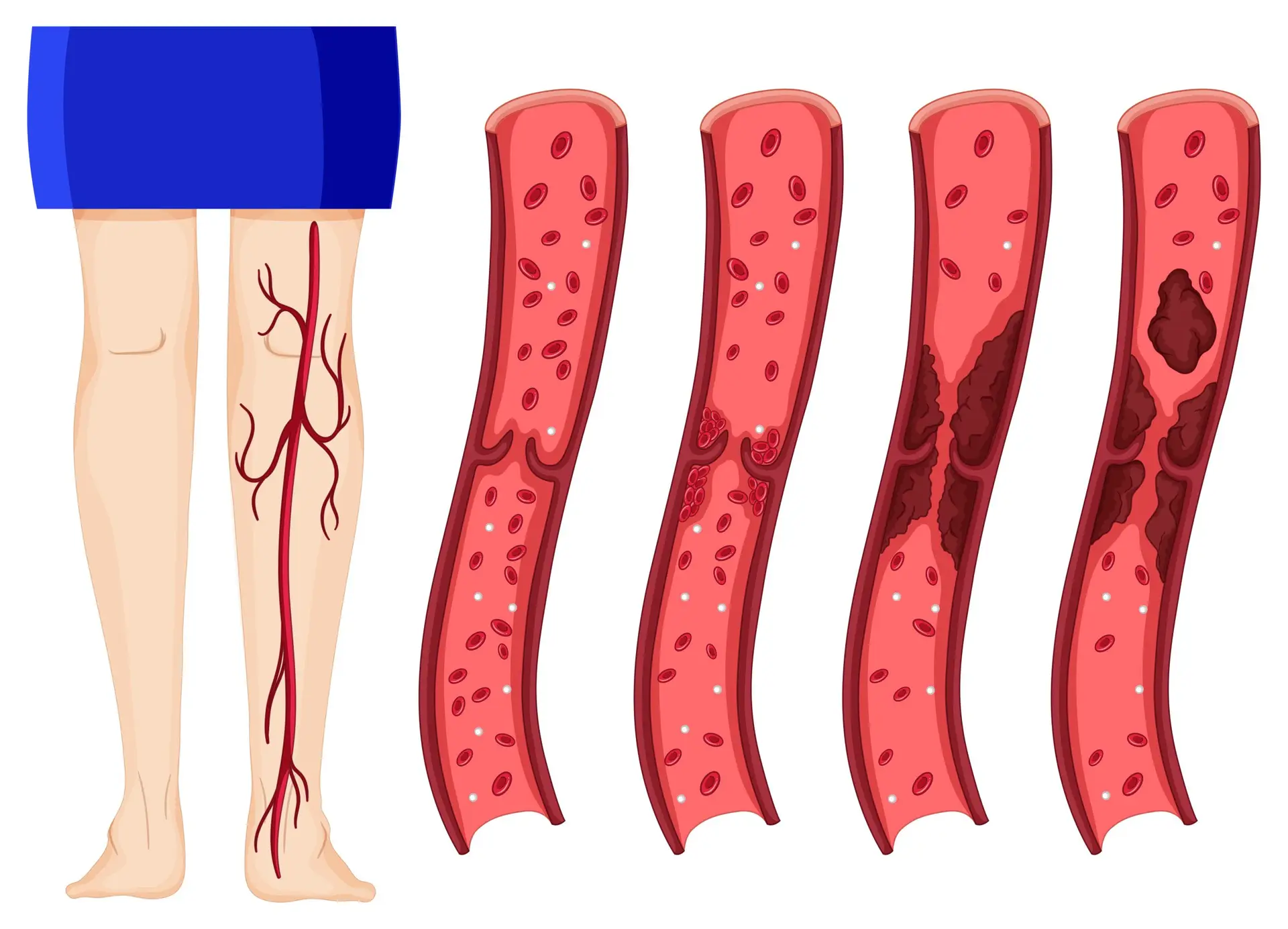
Deep vein thrombosis (DVT) is the formation of a blood clot in the deep veins, most commonly in the legs. The condition is important because a clot can grow, damage venous circulation or travel to the lungs and cause pulmonary embolism.
What Are the Symptoms of DVT?
- Swelling in one leg
- Calf or thigh pain, especially when walking or standing
- Warmth, redness or tenderness along the leg
- A feeling of tightness or heaviness
- Visible difference in leg circumference
Some patients have mild or unclear symptoms. For this reason, risk factors and clinical suspicion matter. A painful swollen leg should not be dismissed as a simple muscle strain without assessment.
Who Has a Higher Risk?
- Recent surgery, trauma or hospitalization
- Long periods of immobility or long-distance travel
- Active cancer or cancer treatment
- Pregnancy and the postpartum period
- Use of estrogen-containing medication in selected patients
- Previous DVT or pulmonary embolism
- Inherited or acquired clotting disorders
- Smoking, obesity and advanced age
How Is DVT Diagnosed?
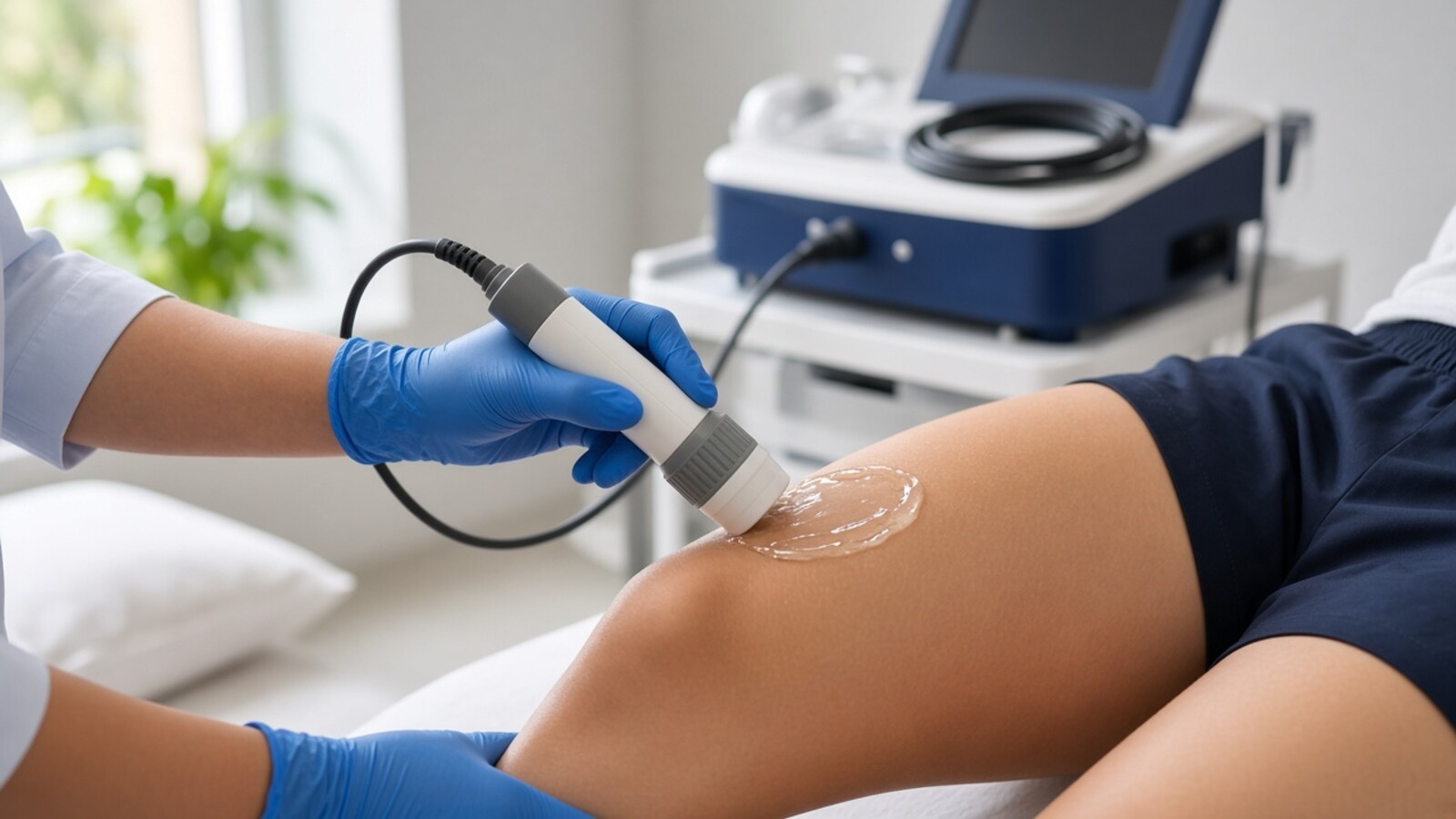
The main diagnostic test is venous Doppler ultrasound. It shows whether the vein can be compressed normally and whether blood flow is blocked by a clot. In selected patients, blood tests such as D-dimer or advanced imaging may be used, but treatment decisions should be individualized.
How Is It Treated?
The cornerstone of DVT treatment is anticoagulation, commonly called blood thinner therapy. These medications do not instantly dissolve the clot; they prevent the clot from growing and reduce the risk of pulmonary embolism while the body gradually breaks the clot down.
Compression therapy, walking recommendations and follow-up imaging may be added according to the patient’s condition. In extensive or limb-threatening thrombosis, catheter-based clot removal or other advanced treatments may be considered in specialized centers.
Long-Term Problems After DVT
Some patients develop post-thrombotic syndrome, which may cause chronic swelling, heaviness, skin discoloration and venous ulcers. Early diagnosis, correct treatment and regular follow-up help reduce this risk.
DVT can overlap with other venous conditions. For related information, see chronic venous insufficiency and the Varicose Veins treatment area.