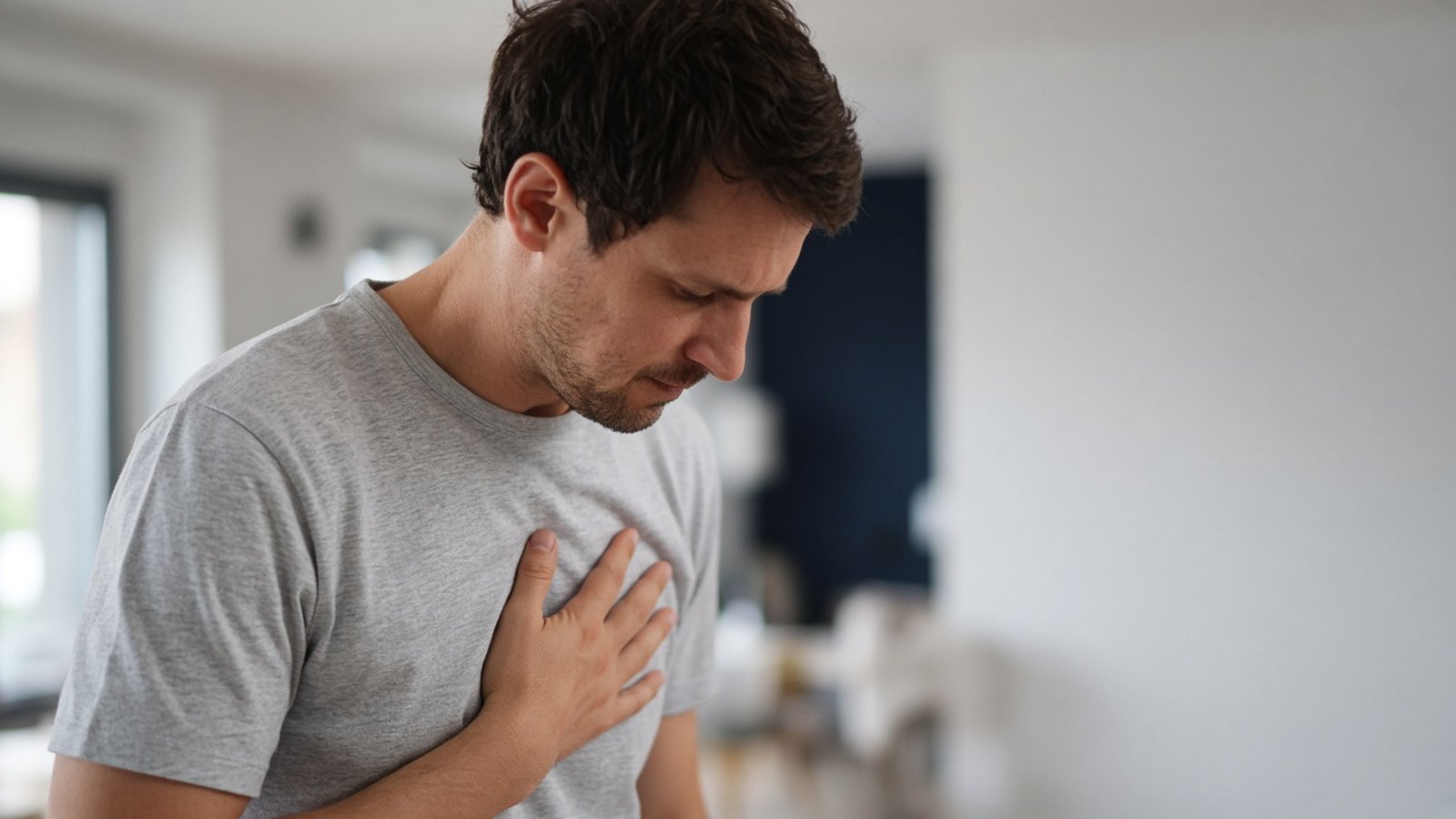


This article is for informational purposes only. Diagnosis and treatment should be planned by a cardiovascular surgeon, vascular specialist or relevant physician. Sudden shortness of breath, chest pain, fainting, coughing blood, sudden swelling and pain in one leg, or a rapidly worsening wound requires urgent assessment.
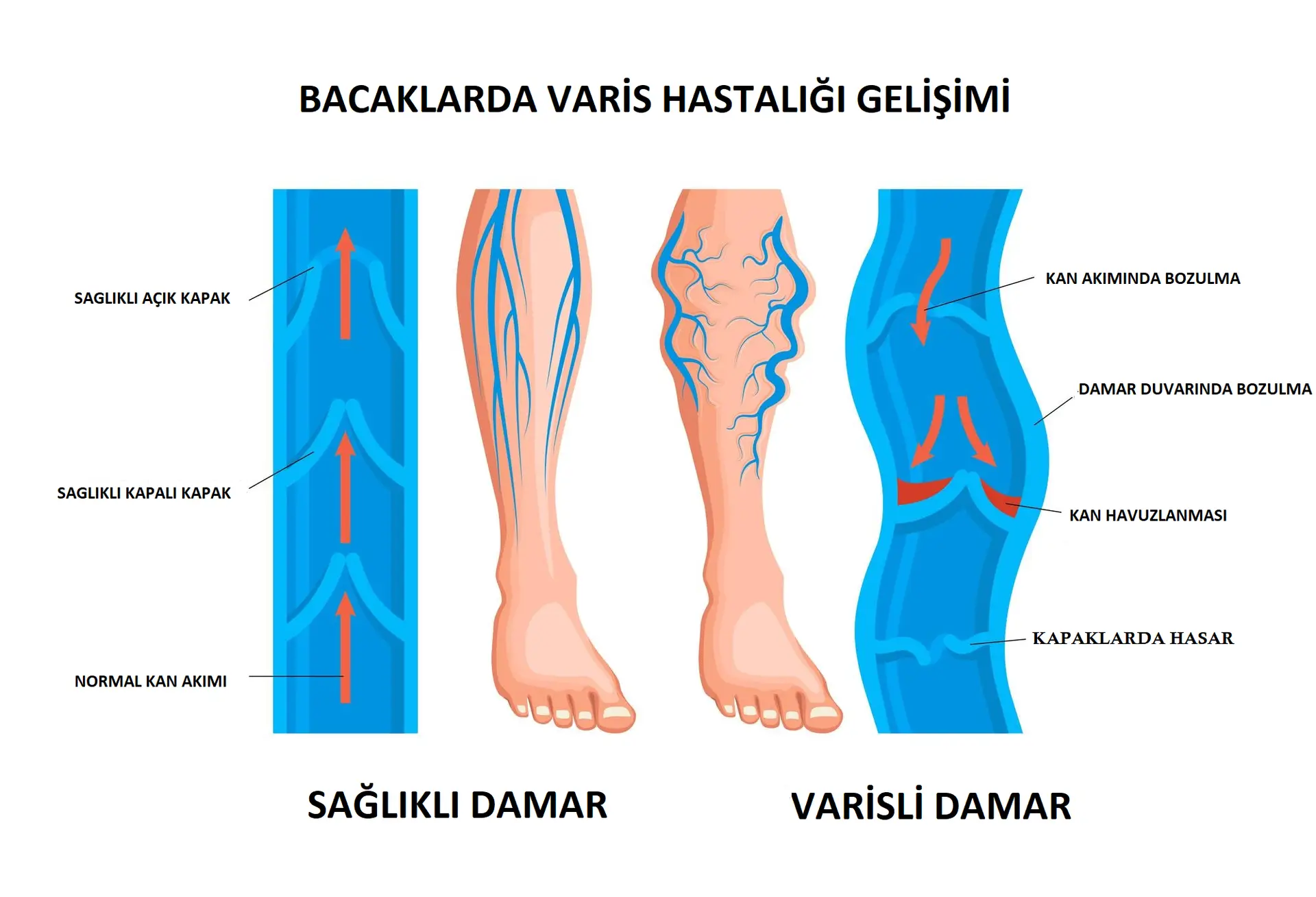
Chronic venous insufficiency occurs when the veins in the legs cannot return blood efficiently toward the heart. When vein valves fail, pressure increases in the leg veins and symptoms gradually become more noticeable.
When Do Symptoms Usually Increase?
- Leg heaviness toward the end of the day
- Swelling around the ankles after standing
- Aching, burning or restlessness in the legs
- Night cramps
- Itching, dryness or discoloration of the skin
- Visible varicose veins
- Slow-healing wounds around the ankle
Symptoms often increase after prolonged standing or sitting and may improve with walking, leg elevation or compression.
How Is It Diagnosed?
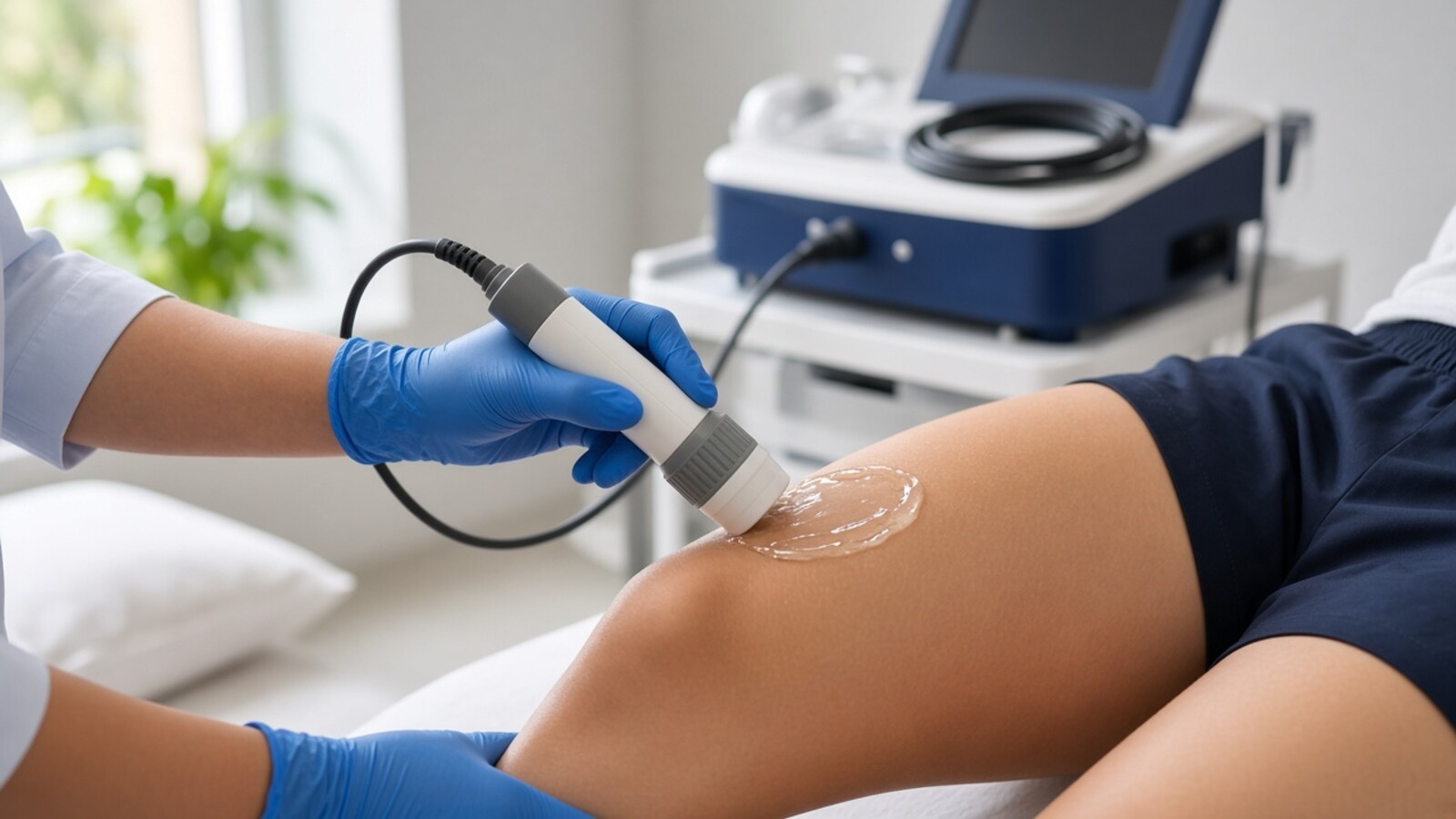
Diagnosis begins with medical history and examination, but Doppler ultrasound is essential. It evaluates reflux, vein diameter, valve function and the deep venous system. This mapping guides treatment planning and helps distinguish venous disease from lymphedema, arterial disease and other causes of swelling.
Treatment Approach
Treatment depends on the stage of disease. Lifestyle measures, walking, weight control, avoiding prolonged immobility and medical-grade compression stockings may help control symptoms. If reflux in the saphenous veins or other treatable veins is present, endovenous laser, radiofrequency, foam sclerotherapy or other minimally invasive methods may be considered.
In patients with skin changes or wounds, treatment should also include wound care, infection control when needed and careful compression planning.
When Should You See a Doctor?
- Persistent leg swelling or heaviness
- Skin darkening around the ankle
- Recurrent inflammation of varicose veins
- A wound that does not heal
- Symptoms that limit walking or daily life
- One-sided sudden swelling or pain
For related treatment options, visit Varicose Veins and Venous Ulcer.