

This article is for informational purposes only. If there is an active wound, discharge, bad odor, fever, increasing pain or rapidly spreading redness, medical evaluation should not be delayed.
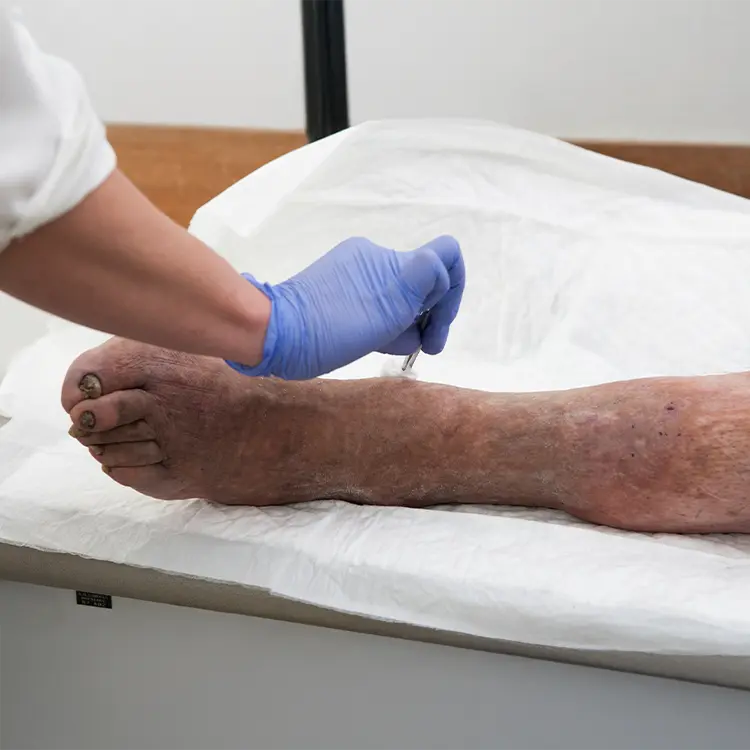
A venous ulcer is a chronic wound, usually around the ankle or lower leg, caused by long-standing venous hypertension. When vein valves fail and pressure remains high, the skin becomes fragile and a wound may open after minor trauma or even spontaneously.
How Can a Venous Ulcer Be Recognized?
- A wound near the inner ankle or lower leg
- Brownish skin discoloration
- Swelling and heaviness in the leg
- Itching, eczema or hardened skin
- Moderate drainage from the wound
- A history of varicose veins or venous insufficiency
The Foundation of Treatment: Reducing Pressure
Wound dressings are important, but the main problem is usually pressure. Medical compression, when appropriate, helps reduce venous pressure and supports healing. Compression should be planned after arterial circulation is checked, because patients with severe arterial disease may need a different approach.
When Are Endovenous Treatments Needed?
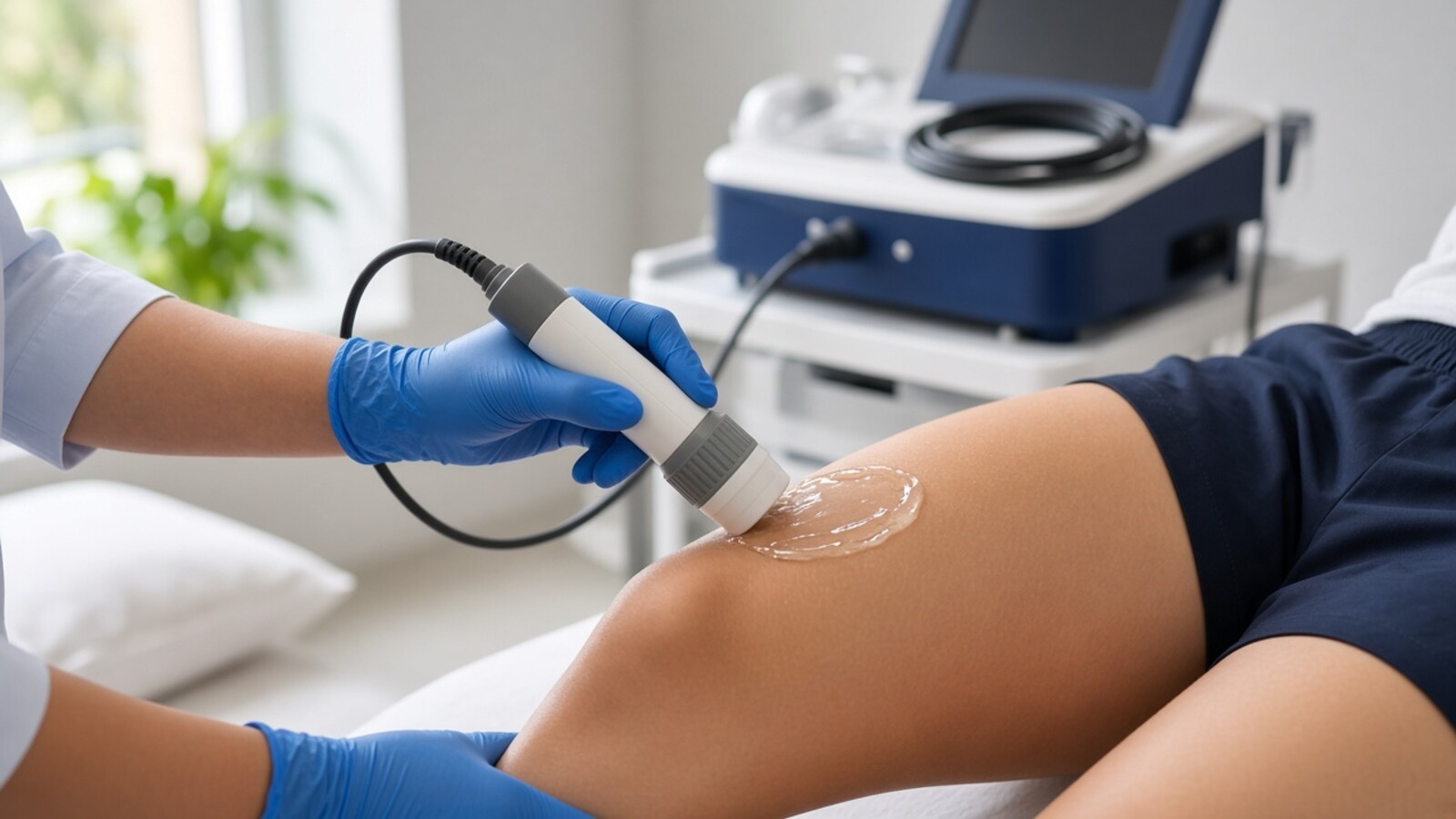
If Doppler ultrasound shows treatable venous reflux, procedures such as endovenous laser, radiofrequency ablation or foam sclerotherapy may help reduce recurrence and support healing. The decision depends on the venous map, wound condition and overall health of the patient.
Practical Principles in Wound Care
- Clean and appropriate dressings
- Control of infection when present
- Compression planned by a specialist
- Leg elevation and regular walking when possible
- Nutrition and blood sugar control
- Follow-up until the wound fully closes
Preventing Recurrence
Even after a venous ulcer heals, recurrence is common if venous pressure remains high. Long-term compression, treatment of reflux when suitable and regular follow-up are essential.
For related information, see Chronic Venous Insufficiency and Chronic Wound Treatment.