
This article is for informational purposes only. Sudden severe abdominal or back pain, fainting, low blood pressure, sudden severe headache or altered consciousness requires emergency evaluation.
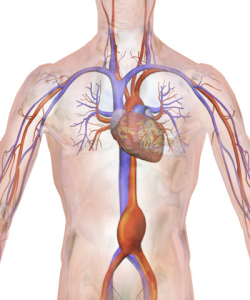
An aneurysm is a balloon-like enlargement of an artery. It can occur in the aorta, brain arteries, leg arteries or other vessels. The main risks are enlargement, rupture, clot formation and pressure on nearby structures.
Why Do Aneurysms Develop?
- Atherosclerosis
- Smoking
- High blood pressure
- Genetic connective tissue disorders
- Family history
- Infection or trauma in rare cases
- Advanced age
Do They Cause Symptoms?
Many aneurysms are silent and are found incidentally during ultrasound, CT or MRI. Symptoms depend on location. Aortic aneurysms may cause abdominal, chest or back discomfort; peripheral aneurysms may cause a pulsating mass, pain or clot-related circulation problems.
Which Symptoms Are Urgent?
- Sudden severe abdominal, chest or back pain
- Fainting or shock-like symptoms
- Rapidly increasing pain
- Sudden severe headache or neurological change
- Coldness or color change in a limb
How Is Diagnosis Made?
Ultrasound is useful for screening and follow-up of some aneurysms. CT angiography or MR angiography provides detailed information about size, shape, branches and treatment suitability.
Does Every Aneurysm Require Surgery?
No. Small aneurysms may be followed regularly while risk factors are treated. Intervention is considered according to aneurysm size, growth rate, symptoms, location and rupture risk.
Treatment Options
Regular follow-up and risk control: Smoking cessation, blood pressure control and scheduled imaging are essential for many patients.
Endovascular treatment (EVAR/TEVAR): A stent-graft is placed inside the vessel through small groin incisions in suitable anatomy.
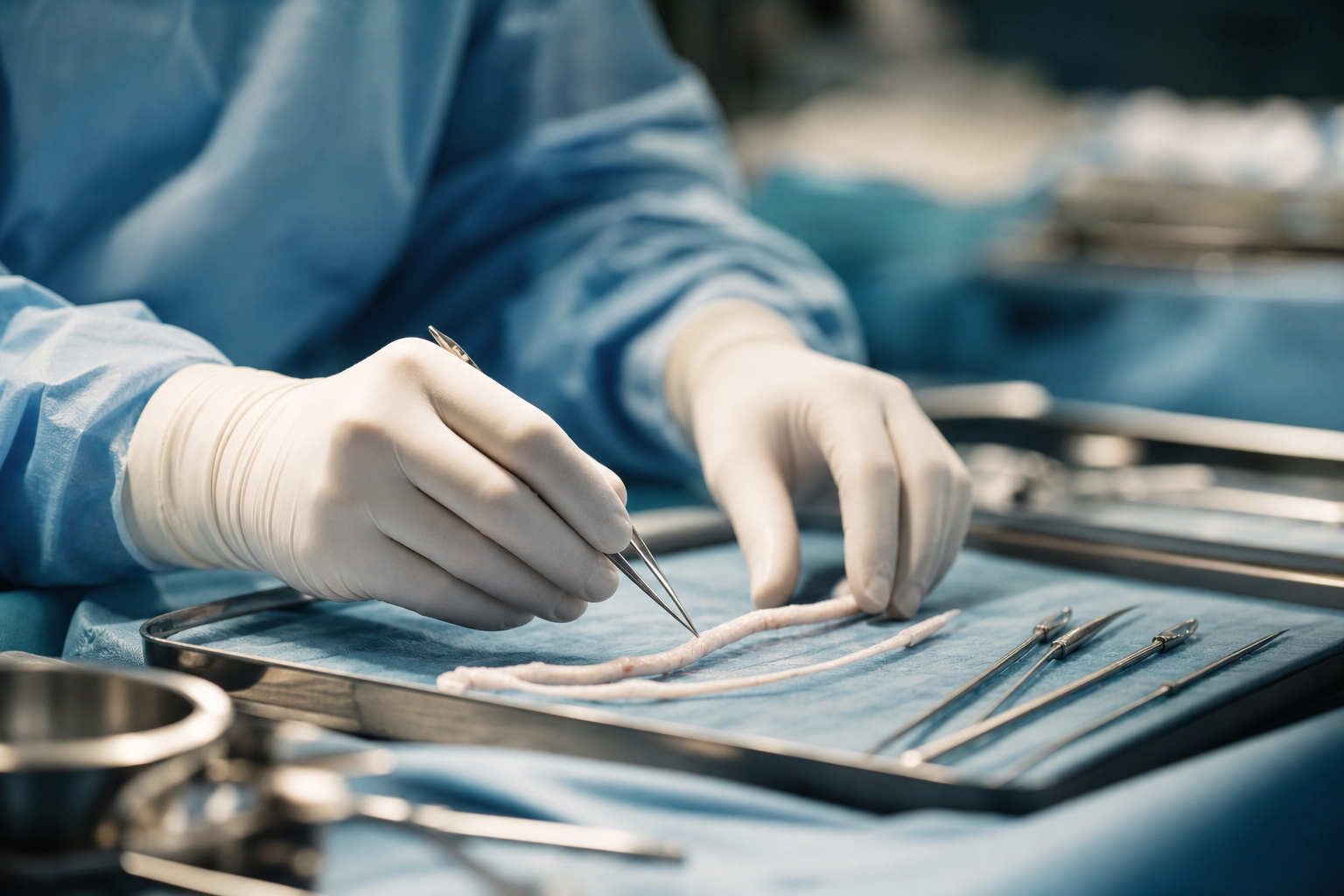
Open surgery: The aneurysmal segment is replaced or repaired surgically when open repair is safer or more durable for the patient.
Why Is Follow-Up Important After Treatment?
After endovascular repair, imaging follow-up is needed to check graft position, endoleak and aneurysm size. After open repair, long-term vascular risk control remains important.
For vascular evaluation, see Arterial Diseases.